
How to sow and grow fennel.
A careful starting plan for Lahore and Punjab conditions—kept separate from the culinary saunf product and grounded in a regional sowing-time study.
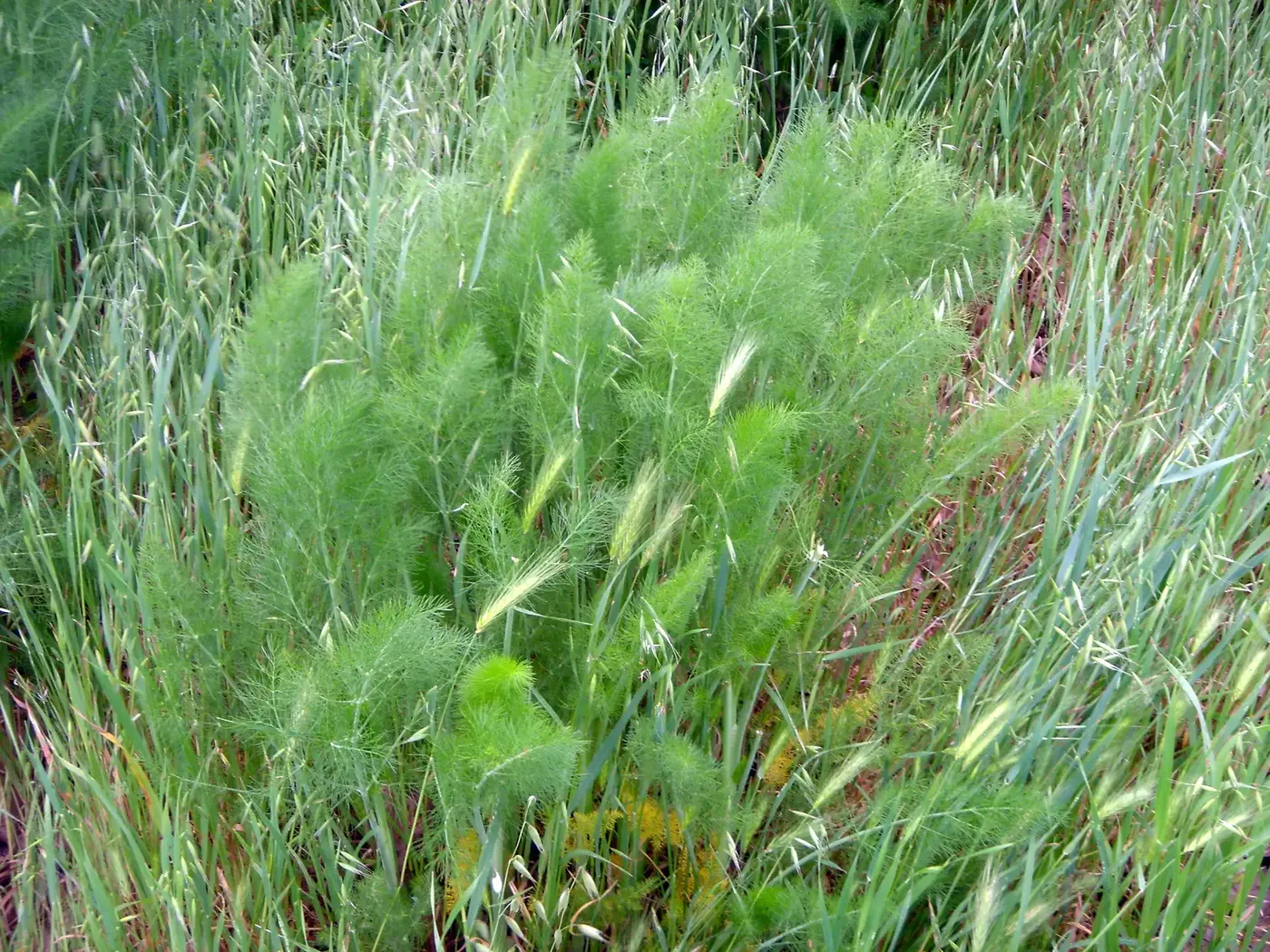
Use verified garden seed, not the culinary pack.
The current whole saunf listing is food-only. A separate sowing product exists as a backend draft but remains unavailable until cultivar, treatment, supplier lot and germination evidence are complete.
Sow as summer releases the field.
A Faisalabad study found September and October sowings outperformed later November sowings in its conditions. For Lahore, treat September–October as the working research-backed window, then adjust for the actual cultivar, heat, soil moisture and local advice.
- Working window
- September–October
- Growth orientation
- About 10–25°C
- Site
- Open sun, sheltered from damaging wind
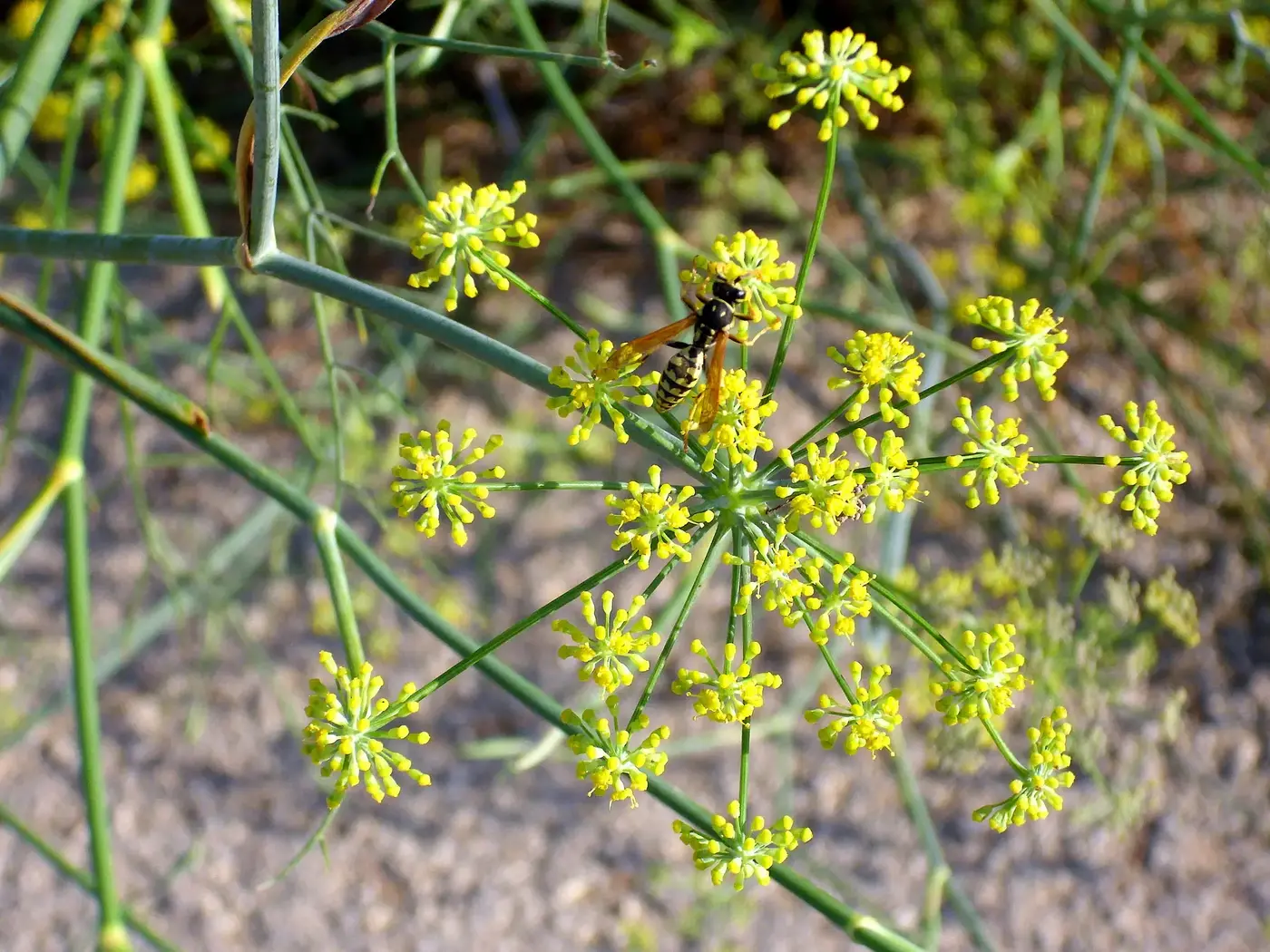 FLOWER → DRY FRUIT → HARVEST
Give the taproot a permanent place.
- Prepare free-draining soil.
Choose a sunny bed and break the surface to a fine tilth. Avoid a low point where water stands.
- Direct-sow about 1 cm deep.
Fennel dislikes avoidable root disturbance. Keep the seedbed evenly moist, never saturated.
- Thin to about 30 cm.
Space after establishment so light and air can move through the feathery canopy.
- Water at the root zone.
Maintain steady moisture through establishment, then water when the surface begins to dry.
- Let umbels mature.
For spice, allow the aromatic fruits to form and dry; harvest before major shattering and finish drying with ventilation.
Heat, wet roots and wrong seed are the three first checks.
Late sowing can push flowering and seed fill into harsher temperatures.
Drainage matters even when establishment moisture is consistent.
Florence fennel and seed fennel are selected for different harvest goals.
Tall flowering stems benefit from a sheltered site or discreet support.