Start with jobs, not categories
A pantry becomes useful when each product answers a recurring kitchen need: a breakfast base, a cooking fat, a sweetener, a flour, a finishing seed, an aromatic spice or an occasional speciality. That is a better organising principle than a shelf of products bought only because they look wholesome together.
The current catalogue includes Sidr and orange-blossom honey, desi gurr and shakkar, cow and buffalo ghee, coconut products, rice and flours, plus bundles that combine breakfast, spice and kitchen staples. The role of this guide is to make those choices legible without promising that ‘natural’ automatically means low-sugar, low-fat or medically beneficial.
Honey, gurr and shakkar are still sweeteners
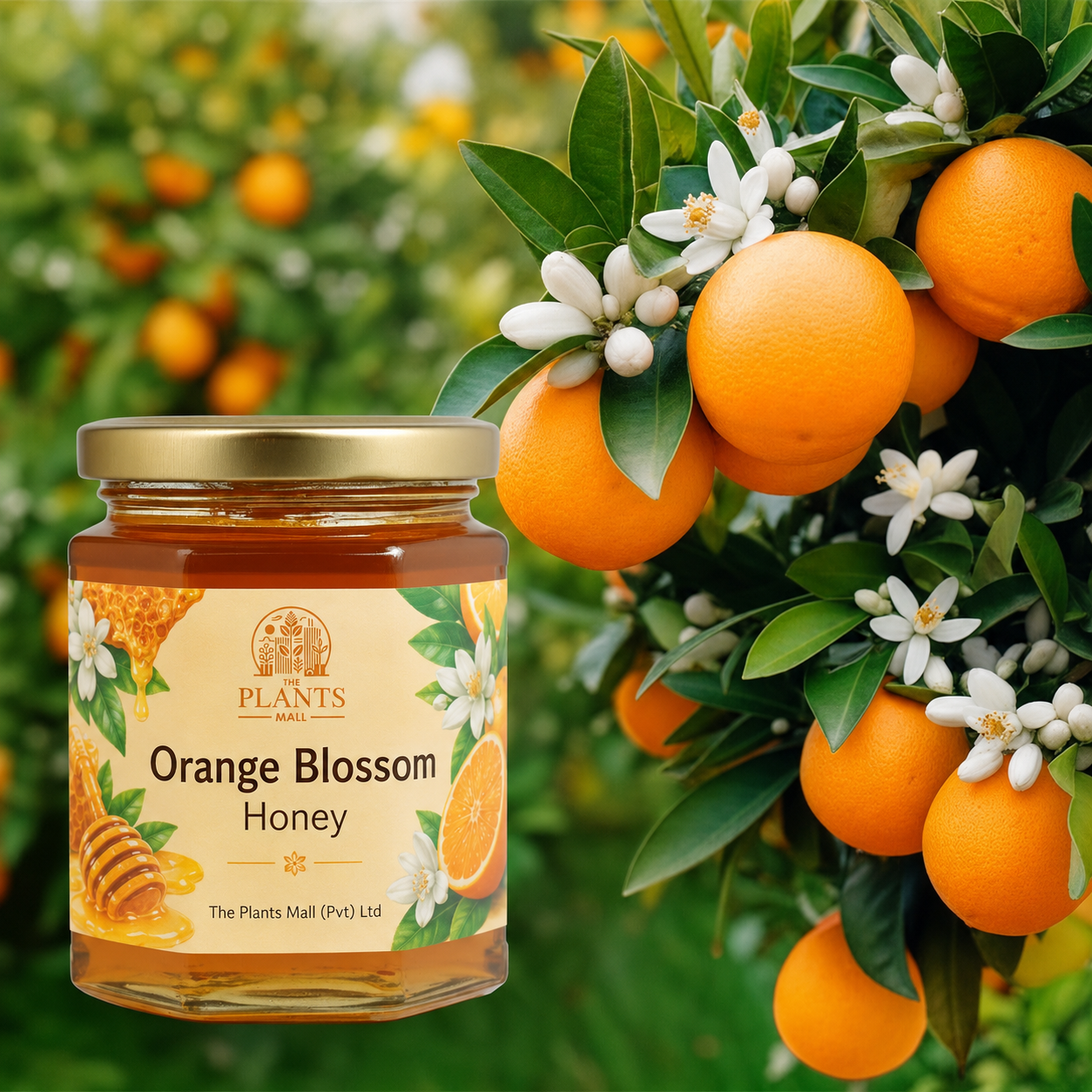
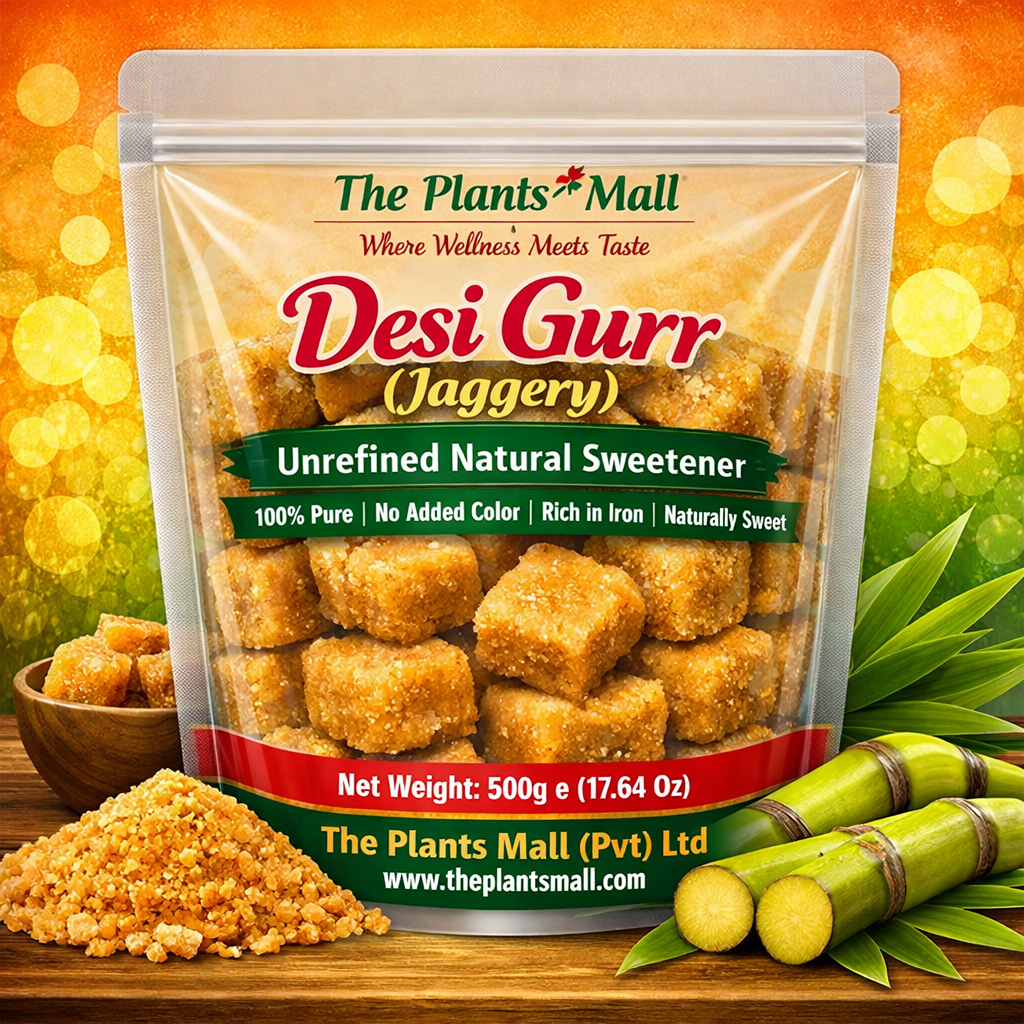
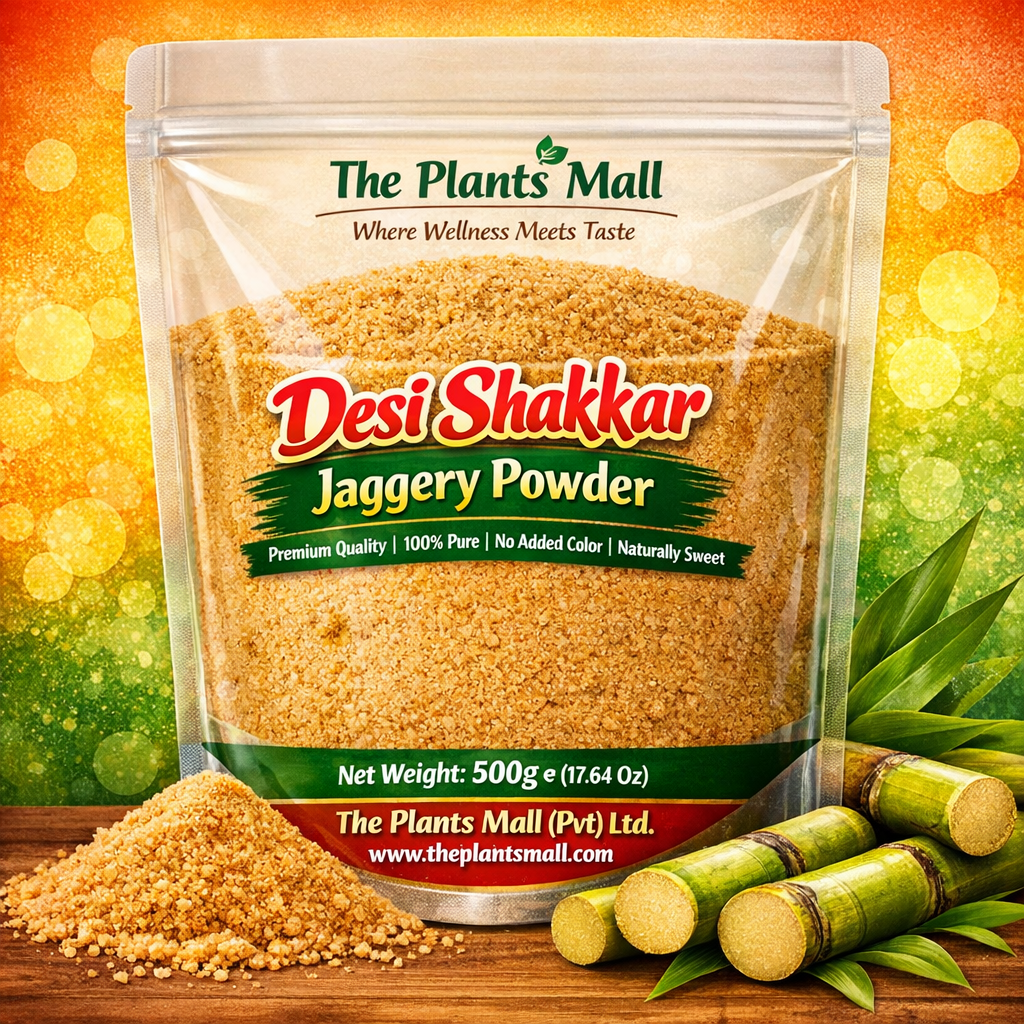
Choose among them for taste, texture, aroma, source information and the recipe. Sidr honey and orange-blossom honey can have different flavour profiles. Gurr is usually sold as a solid; shakkar is granular and easier to spoon. Those differences are real and useful.
They do not remove the need to pay attention to total sweetness. The World Health Organization includes sugars naturally present in honey and syrups within free sugars and recommends limiting free sugars across the diet. Use these ingredients intentionally rather than treating one as an unlimited replacement for another.
Use cooking fats for a reason
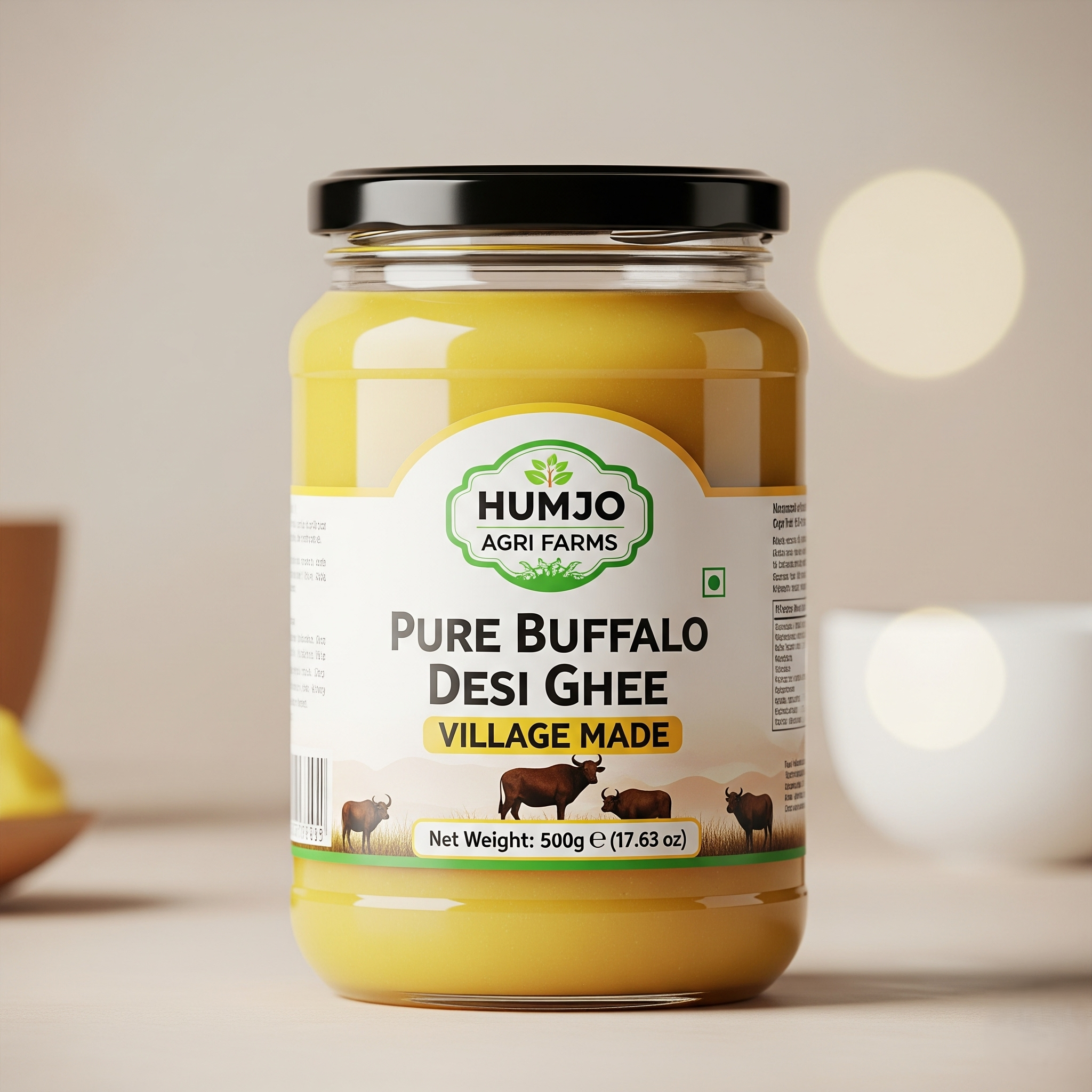
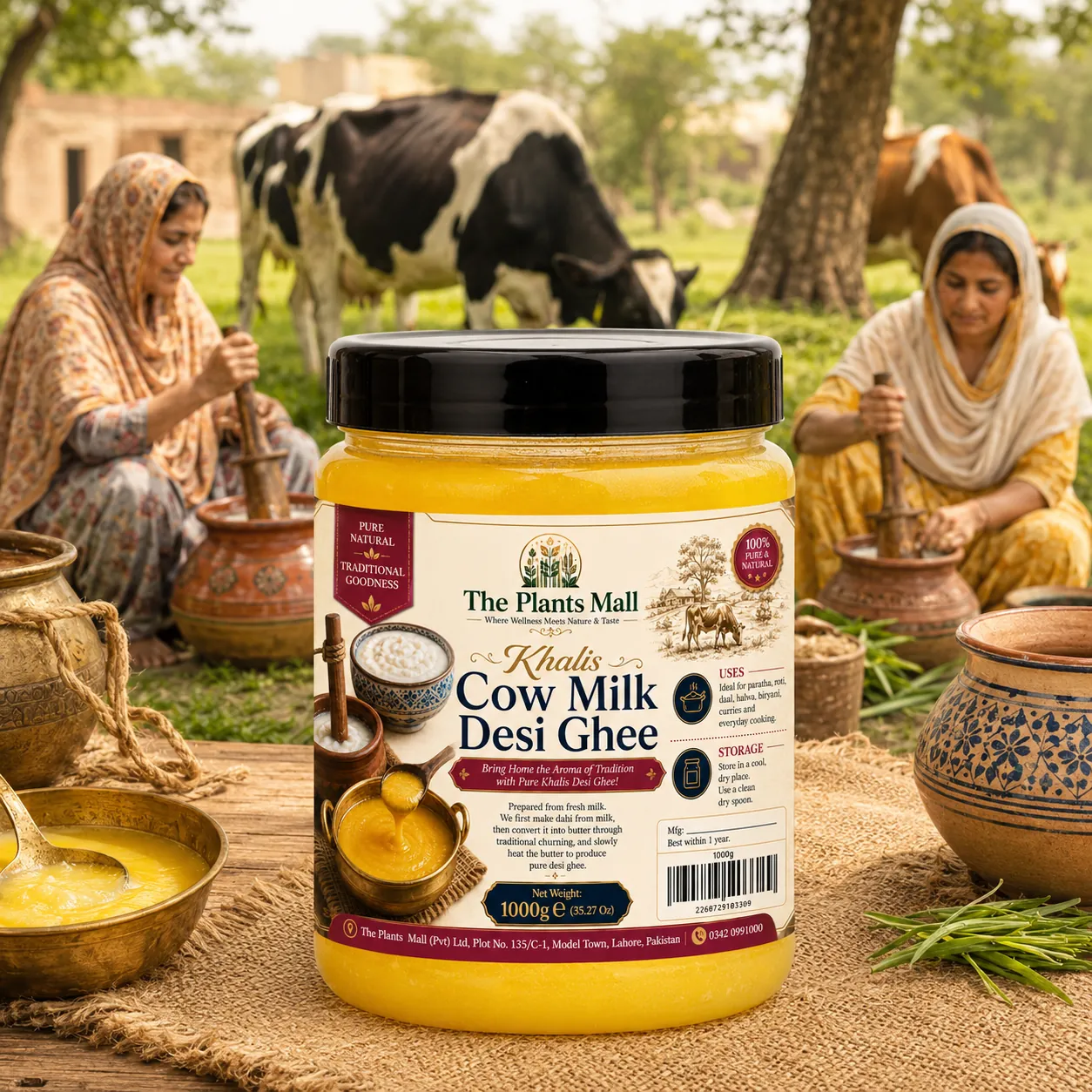
Ghee contributes a distinctive aroma, richness and cooking behaviour. Cold-pressed edible oils bring their own flavour and fat profile. Select a fat for the cooking method and desired taste, follow the product label, and use an amount that fits the whole meal. A traditional process can be part of the product story without becoming a reason to ignore portion or dietary guidance.
Keep ghee and oils tightly closed and protected from heat and light. Use clean, dry utensils and do not combine fresh product with an old container unless it has been washed and completely dried.
Authenticity needs evidence on the pack
Honey, oils and spices are all categories in which substitution or dilution can occur. ‘Pure’ on the front is a promise; useful evidence includes a clear ingredient statement, traceable producer or vendor, batch and date information, intact seals and a responsive seller. Plants Mall should make those fields visible as catalogue data improves.
For any packaged food, confirm the ingredient list, allergen information, net quantity, dates and storage directions. A product image should support this check with readable back-of-pack photography where possible.
A good bundle reduces decisions and waste
The best bundle is not simply several products with a ribbon around them. It should solve one task, explain why the items belong together, show the individual and combined value clearly, and avoid including a slow-moving product the buyer does not need. Breakfast, spice and natural-kitchen bundles can work well when every component has an immediate use.
Ask one question before adding a bundle: would I buy and finish each item separately? If the answer is no, build a smaller selection instead.
The seven-job pantry check
Audit the pantry by recurring tasks, then refill only the gaps.
- List your grain, flour, cooking fat, sweetener, base spices, finishing ingredient and one speciality.
- Check what is already open and what needs using first.
- Choose a bundle only when it fills several real gaps without creating duplicates.
Two rules that should be impossible to miss
Natural sweeteners and traditional fats still belong in the full dietary picture, and some foods have specific safety restrictions.
- Never give honey to a child younger than 12 months because of the risk of infant botulism.
- Check allergens and dietary restrictions across every item in a bundle, not just the bundle title.
- If you manage diabetes, cardiovascular disease or another condition, follow your clinician’s individual dietary advice.
Evidence behind this guide
These references support the general food, nutrition and safety context. They do not endorse individual products.