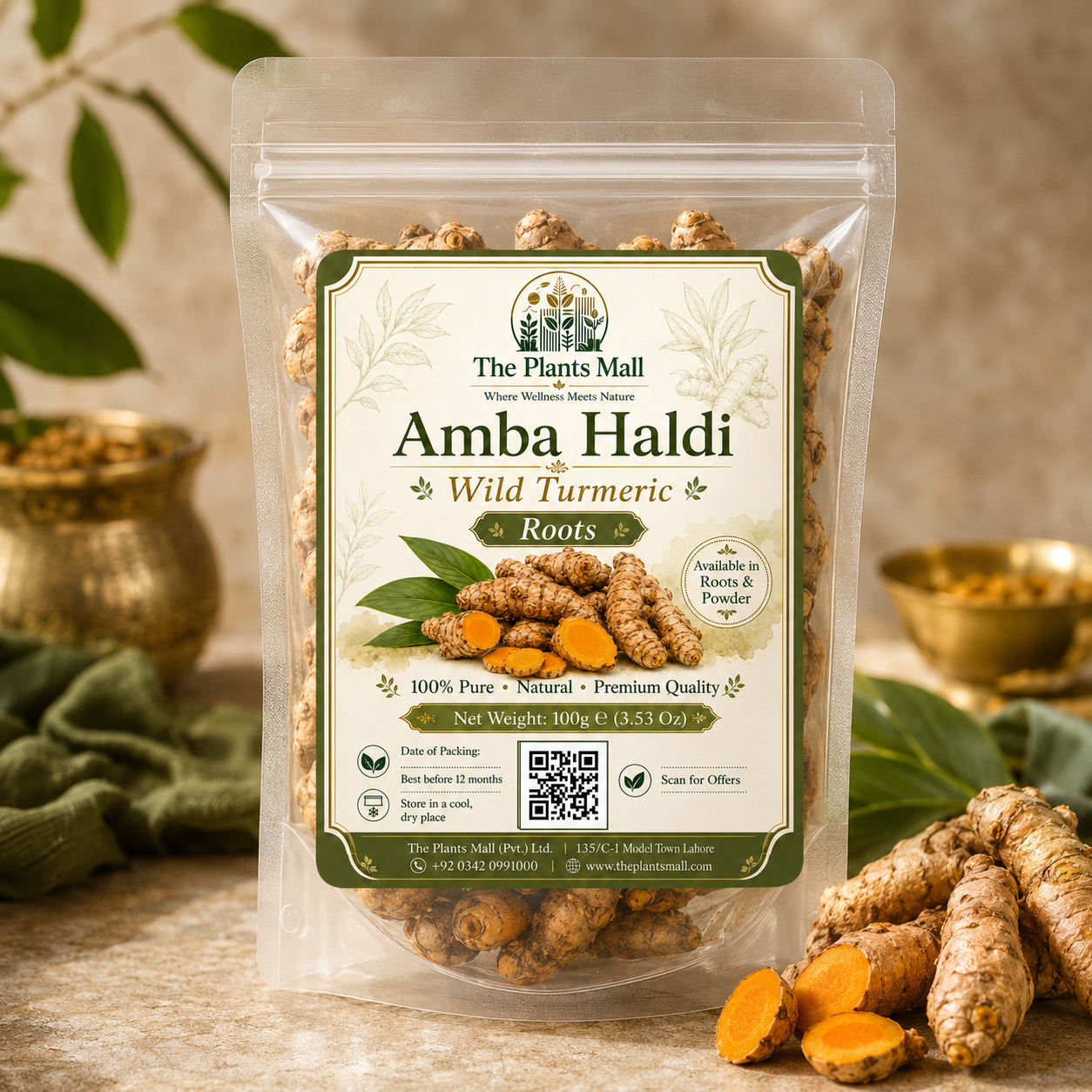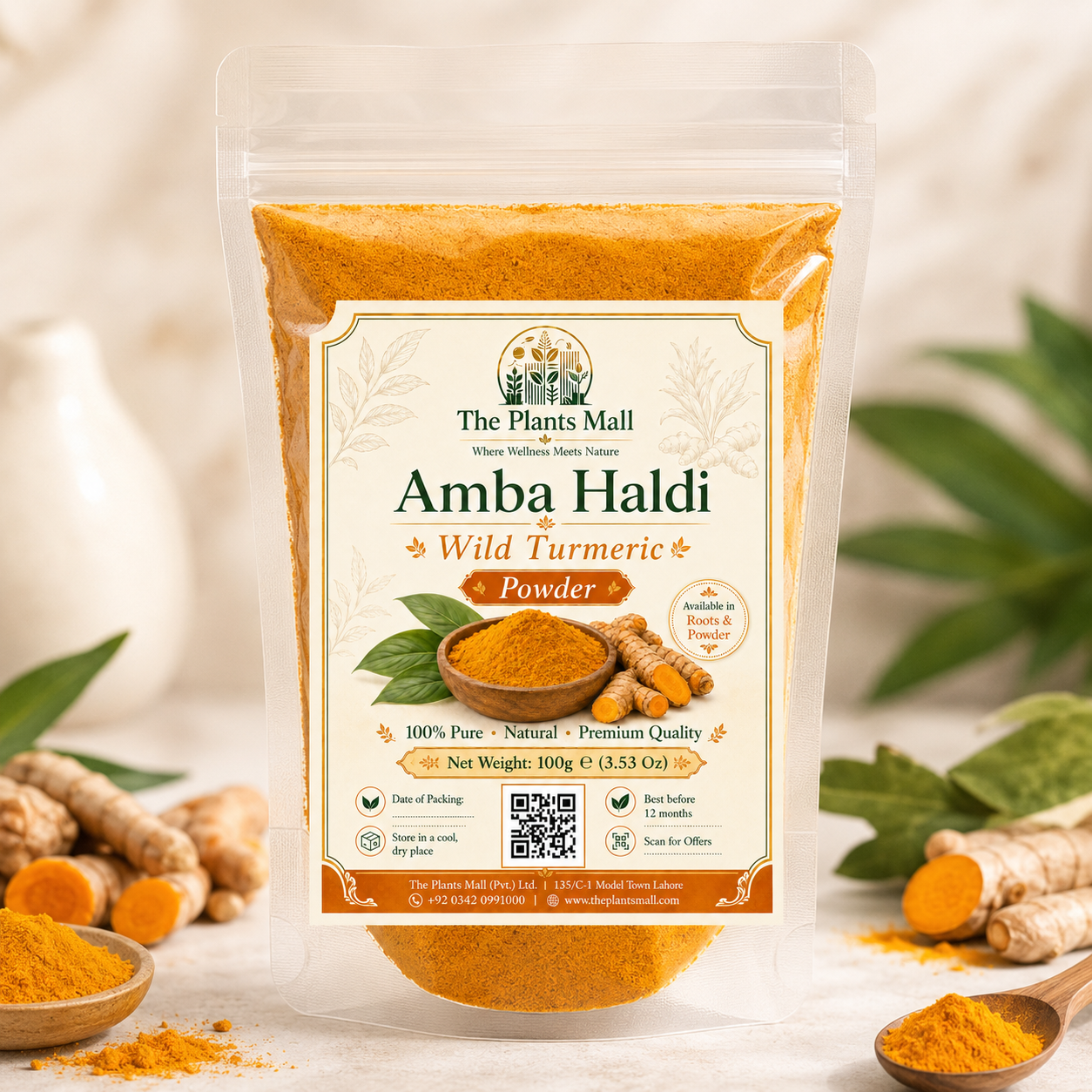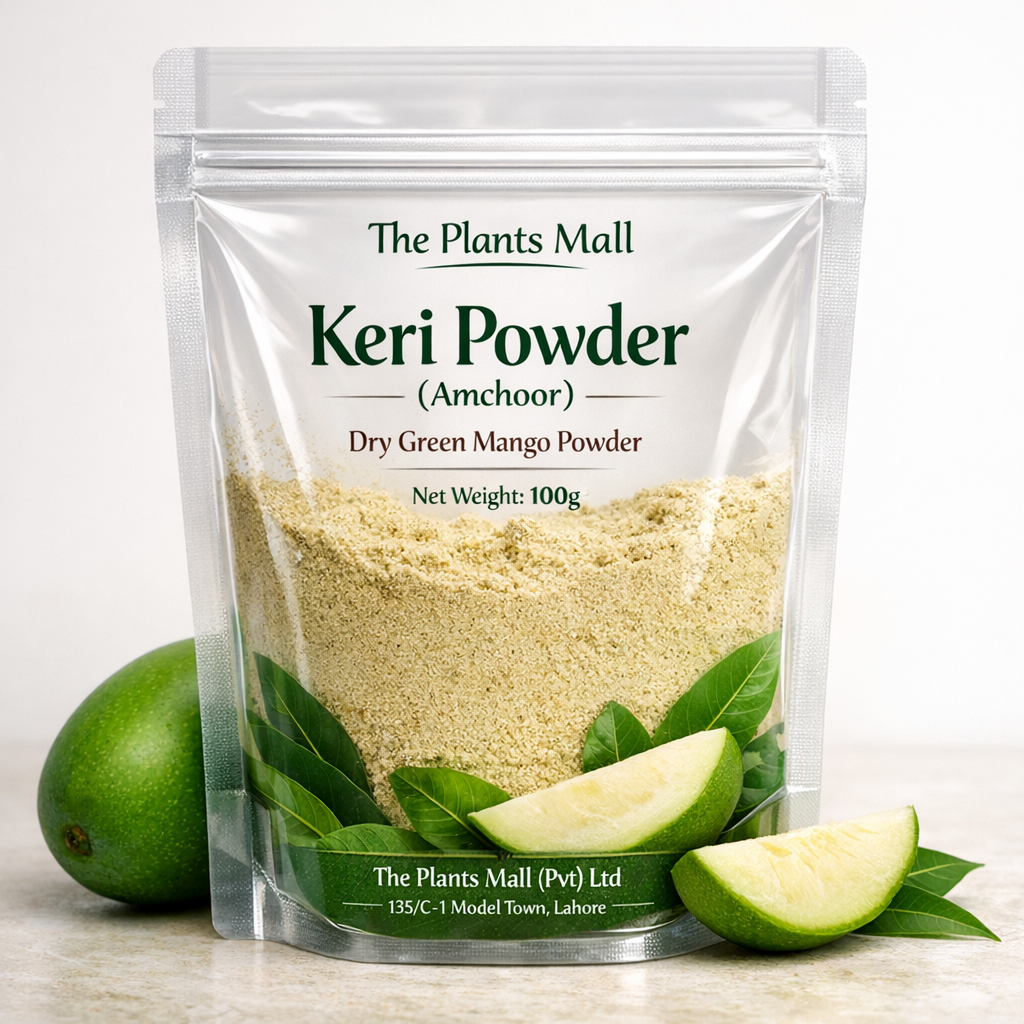
One plant, several jobs
Whole cumin and cumin powder come from the same seed, but they do different work in the pan. Whole spices release flavour gradually and can be toasted or bloomed. Ground spices disperse quickly through a sauce or marinade. Flakes add visible texture and bursts of heat. Fresh leaves bring water and brightness; dried leaves are concentrated and convenient.
The same logic applies across coriander, black and white pepper, cinnamon, chilli, mustard, fenugreek and kalonji. Choose the format from the cooking method, not from the assumption that one form is universally more ‘powerful.’
Build flavour in layers
Think of a masala shelf as a small flavour architecture. A base group—cumin, coriander, turmeric and black pepper—covers many everyday dishes. Warm aromatics such as cinnamon, clove, cardamom, bay leaf and star anise shape rice, gravies and tea. Chilli forms control heat and texture. Sour ingredients such as amchoor, lemon powder or citric acid add brightness. Herbs finish the dish.
Garam masala is already a blend. Add it with intention rather than stacking it automatically on top of every individual spice. Taste before adding more salt, particularly when black salt or a seasoning blend is already present.
- Bloom whole seeds briefly in oil or ghee; stop before they burn.
- Add ground spices with enough moisture or fat to prevent scorching.
- Use dried herbs earlier than delicate fresh leaves, then taste at the end.
- Record combinations your household likes so the spice shelf becomes repeatable.
Buy for aroma, turnover and traceability
More jars do not guarantee better food. Start with six to ten spices you use often, buy amounts you can finish, and expand around actual recipes. Whole spices generally keep their character longer than ground forms, but every product benefits from a tight container, a dry spoon and protection from heat and light.
Colour alone is not a proof of quality. Look for a clear ingredient name, form, net weight, batch or date information and intact packaging. The FDA identifies spices as a food-safety category that needs supply-chain controls; authenticity and handling are part of quality, not background details.
A simple heat ladder
Whole dried chilli gives slow, controllable heat. Flakes distribute visible pieces. Powder colours and seasons the full dish quickly. Longi and Kunri chillies can differ in heat and aroma, so begin below the amount in an unfamiliar recipe and adjust after simmering. White pepper and black pepper are distinct flavours, not direct replacements for chilli.
Culinary tradition and health claims are different things
Ginger, turmeric, cinnamon, licorice and many other botanicals have long histories of culinary and traditional use. That history is culturally important, but it does not turn every online wellness claim into established medical evidence. Culinary amounts, concentrated extracts and repeated supplement-style doses are also not the same exposure.
Six jars, many dinners
Begin with a small working set, then add speciality spices when a recipe earns them a place.
- Base: cumin seed, coriander powder and turmeric.
- Heat: one chilli format your household enjoys.
- Depth: black pepper and garam masala.
- Then add cinnamon, clove, cardamom, mustard, fenugreek or herbs around the dishes you actually cook.
Use culinary ingredients as culinary ingredients
A larger amount is not automatically more beneficial. Concentrated, prolonged or supplement-style use needs a different level of caution than ordinary seasoning.
- Turmeric, ginger, cinnamon and other botanicals can cause side effects or interact with medicines in some circumstances.
- Cassia cinnamon may contain more coumarin than Ceylon cinnamon; prolonged high intake can be a concern for some people, including those with liver disease.
- Do not assume a product sold for cooking is formulated or tested for topical use, inhalation or supplementation.
Evidence behind this guide
These references support the general food, nutrition and safety context. They do not endorse individual products.