Follow the transformation
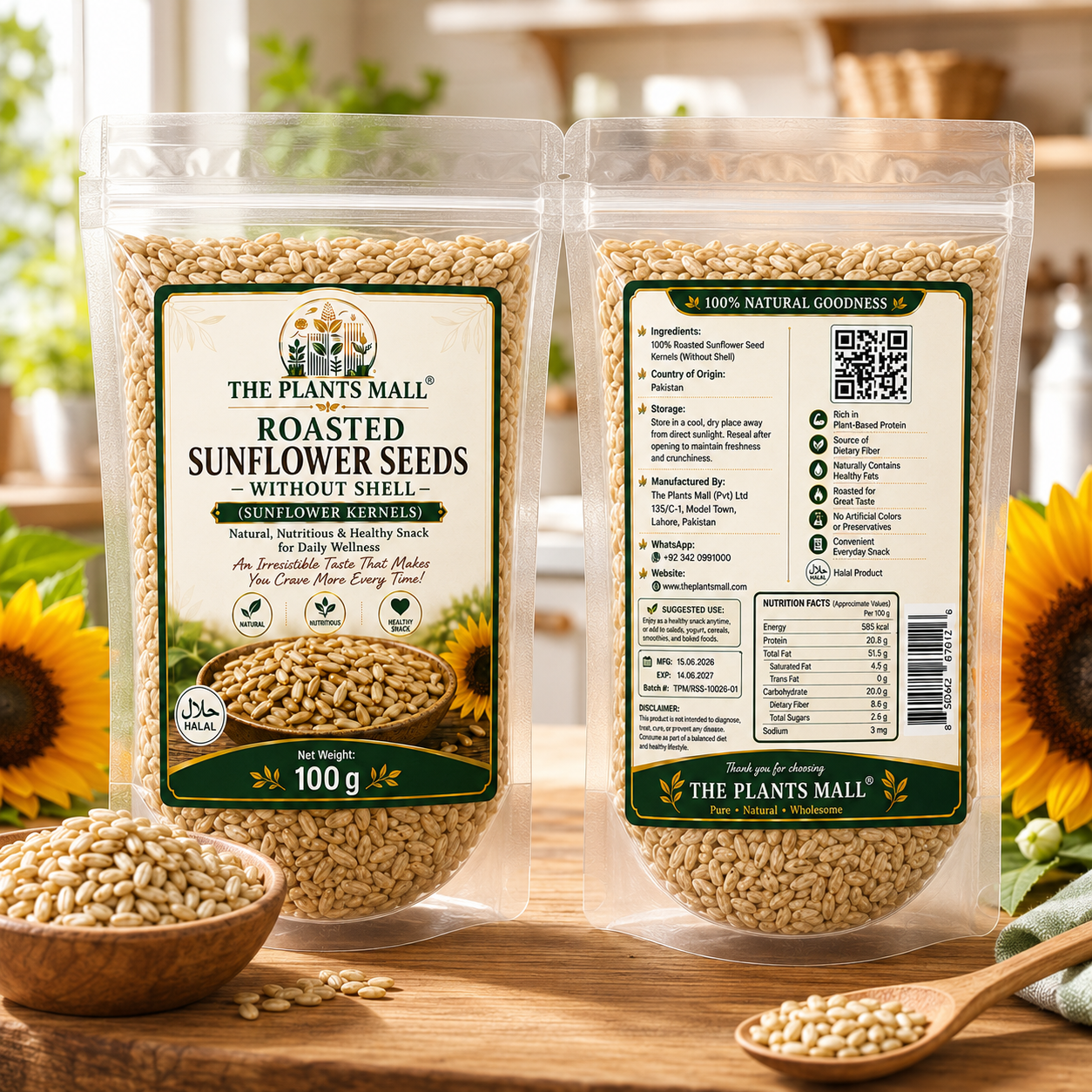
A whole seed offers texture and can be toasted or sprinkled. A roasted seed is ready for snacking but may already contain salt or seasoning. Grinding increases surface area, making flax or chia easier to stir into a bowl while also exposing more of the product to air. Pressing separates oil from much of the seed’s fibre and solid material.
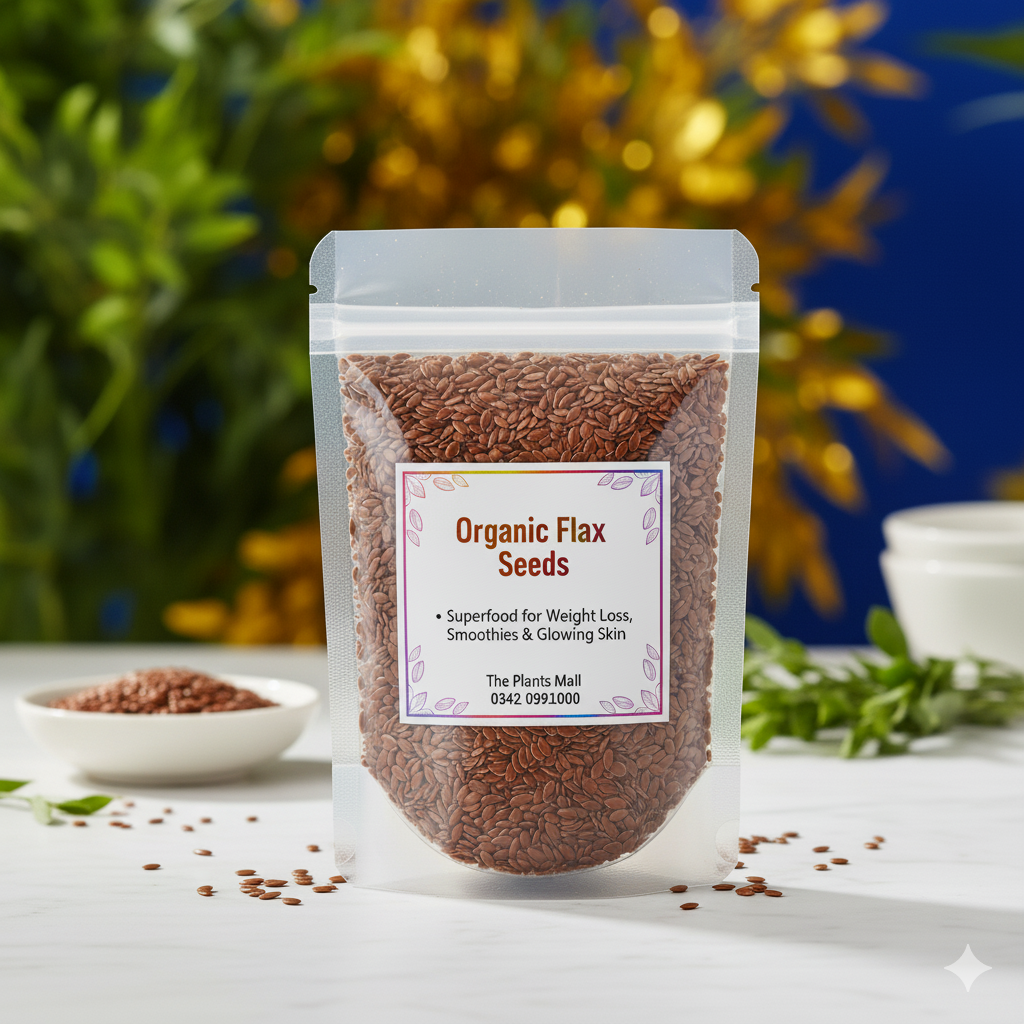
That is why ‘flax seed,’ ‘flax powder’ and ‘flaxseed oil’ should not be treated as three package sizes of the same thing. They share a plant origin but have different culinary behaviour, storage needs and nutrient profiles.
Know the seed families on the shelf
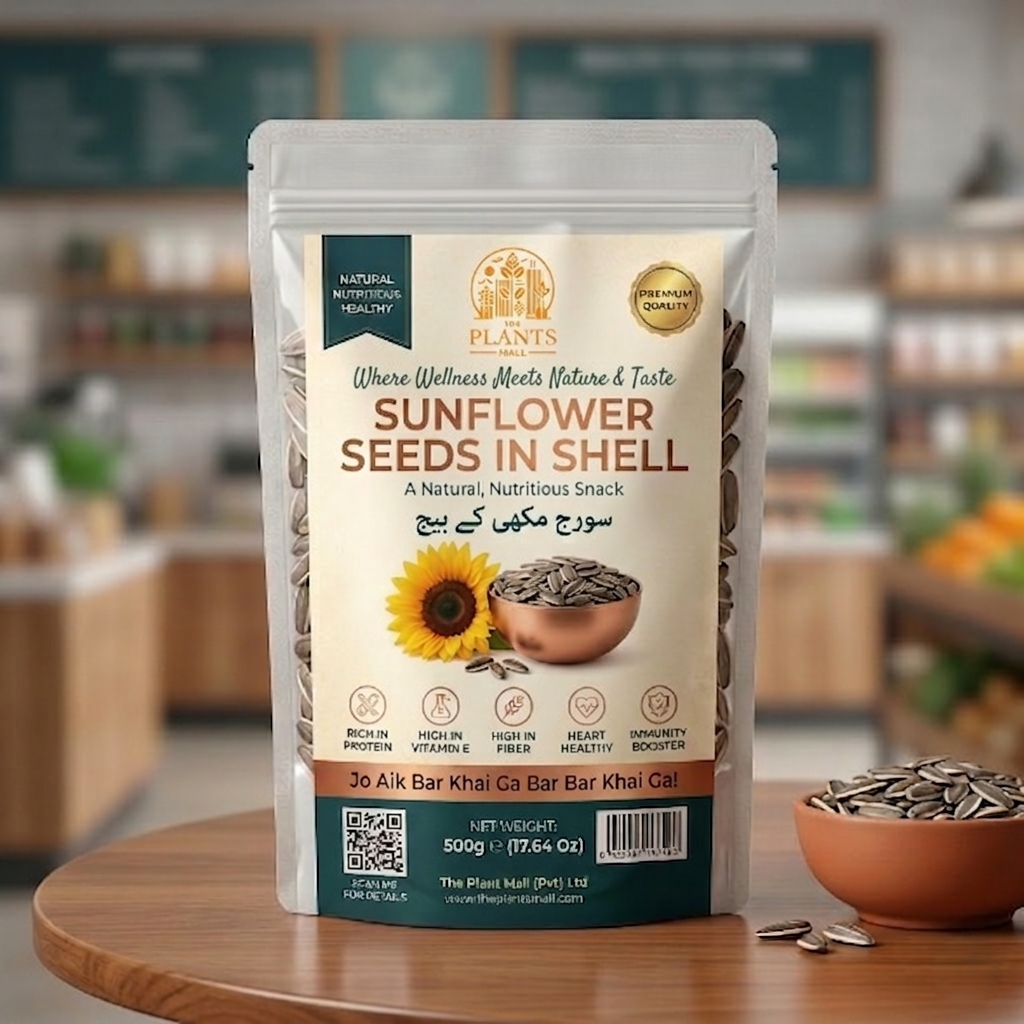
Pumpkin and sunflower seeds make straightforward toppings or snacks. Sesame adds a nutty flavour to breads, chutneys and sauces. Poppy seeds are used in baking and regional cooking. Chia forms a gel when hydrated. Flax can be used whole, roasted, ground or as oil. Mixed seed packs trade control for convenience.
Flaxseed and chia are plant sources of alpha-linolenic acid, or ALA, an omega-3 fatty acid. ALA is not the same thing as the EPA and DHA found mainly in seafood, so the most accurate description is simply that these foods provide ALA.
Cold-pressed describes a process, not every use
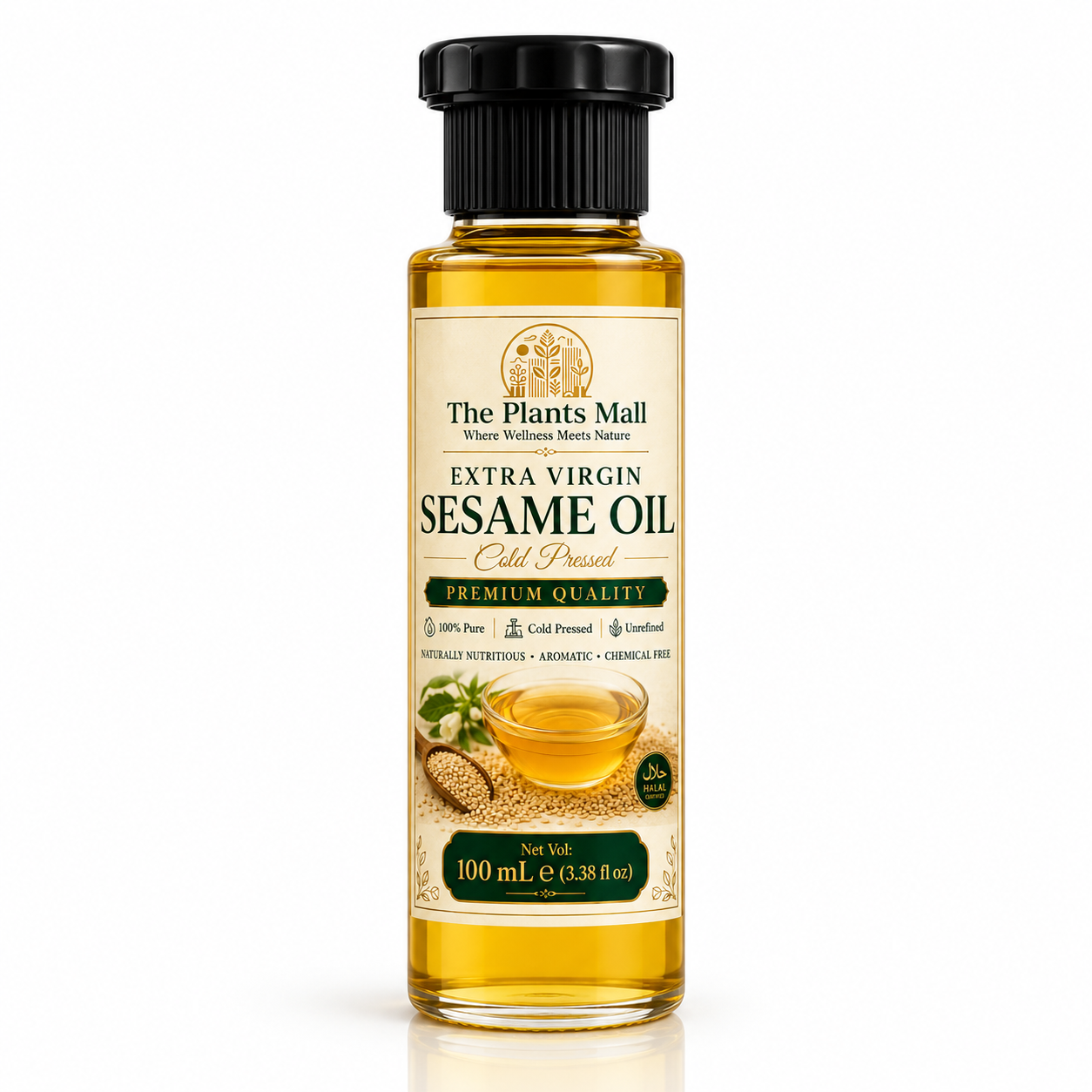
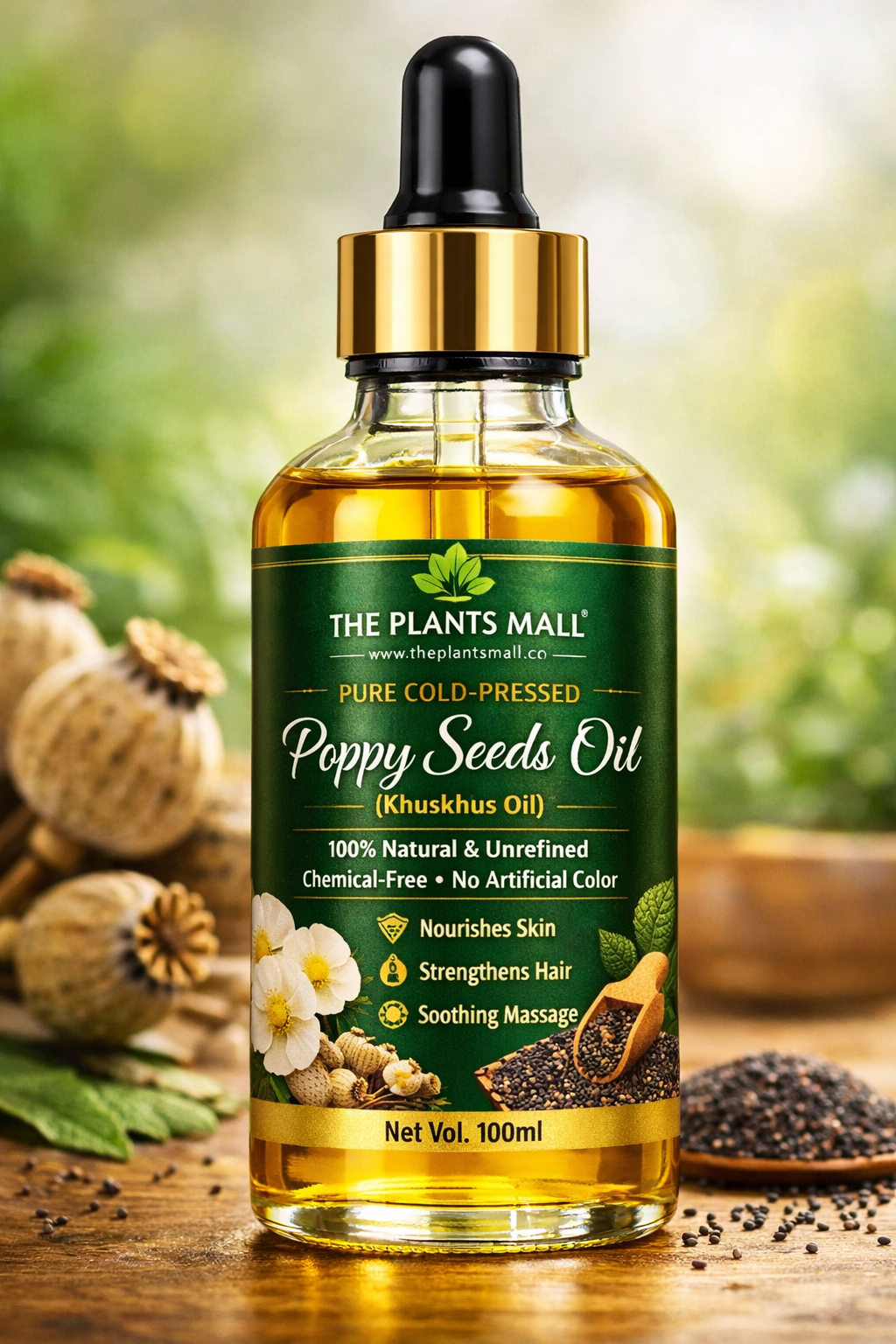
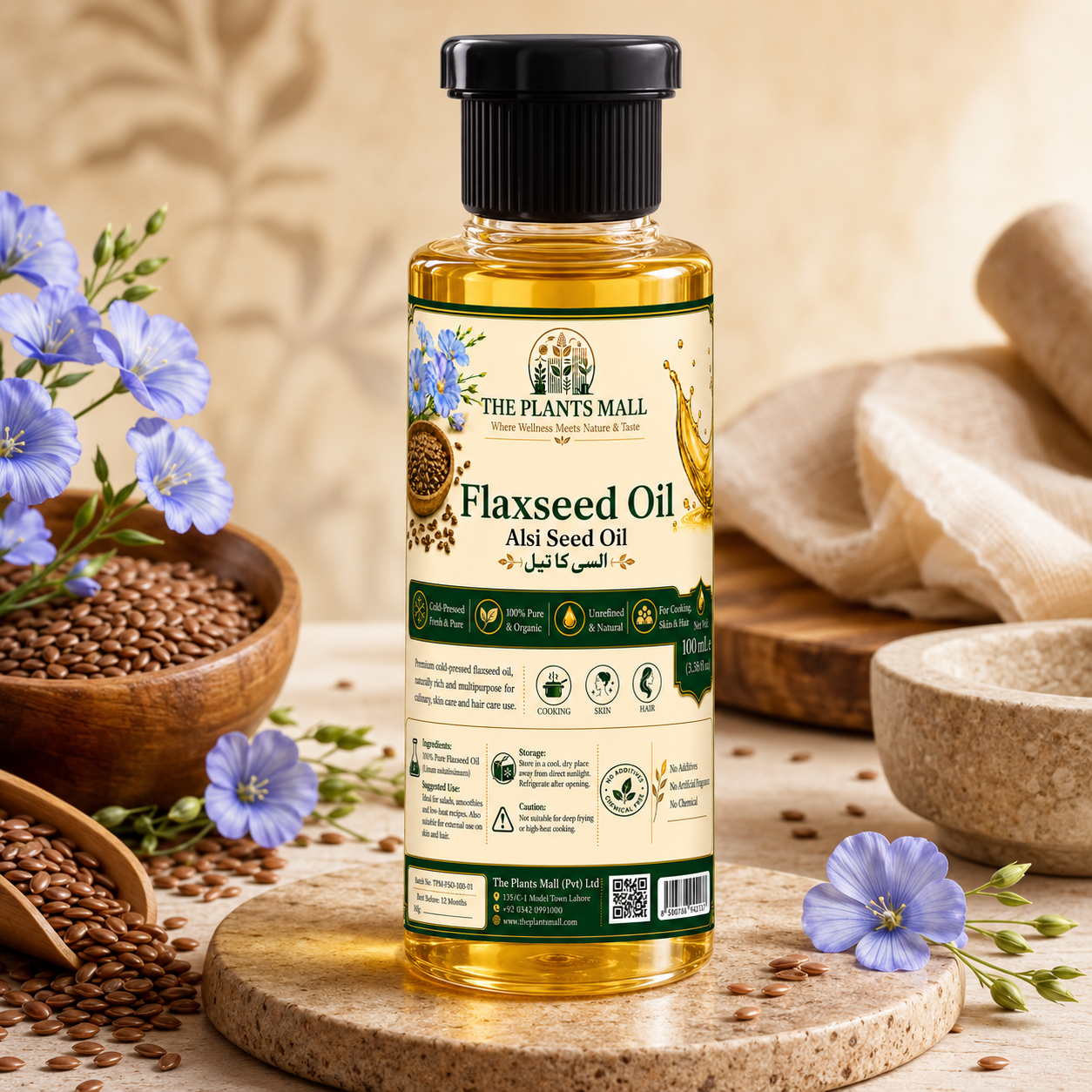
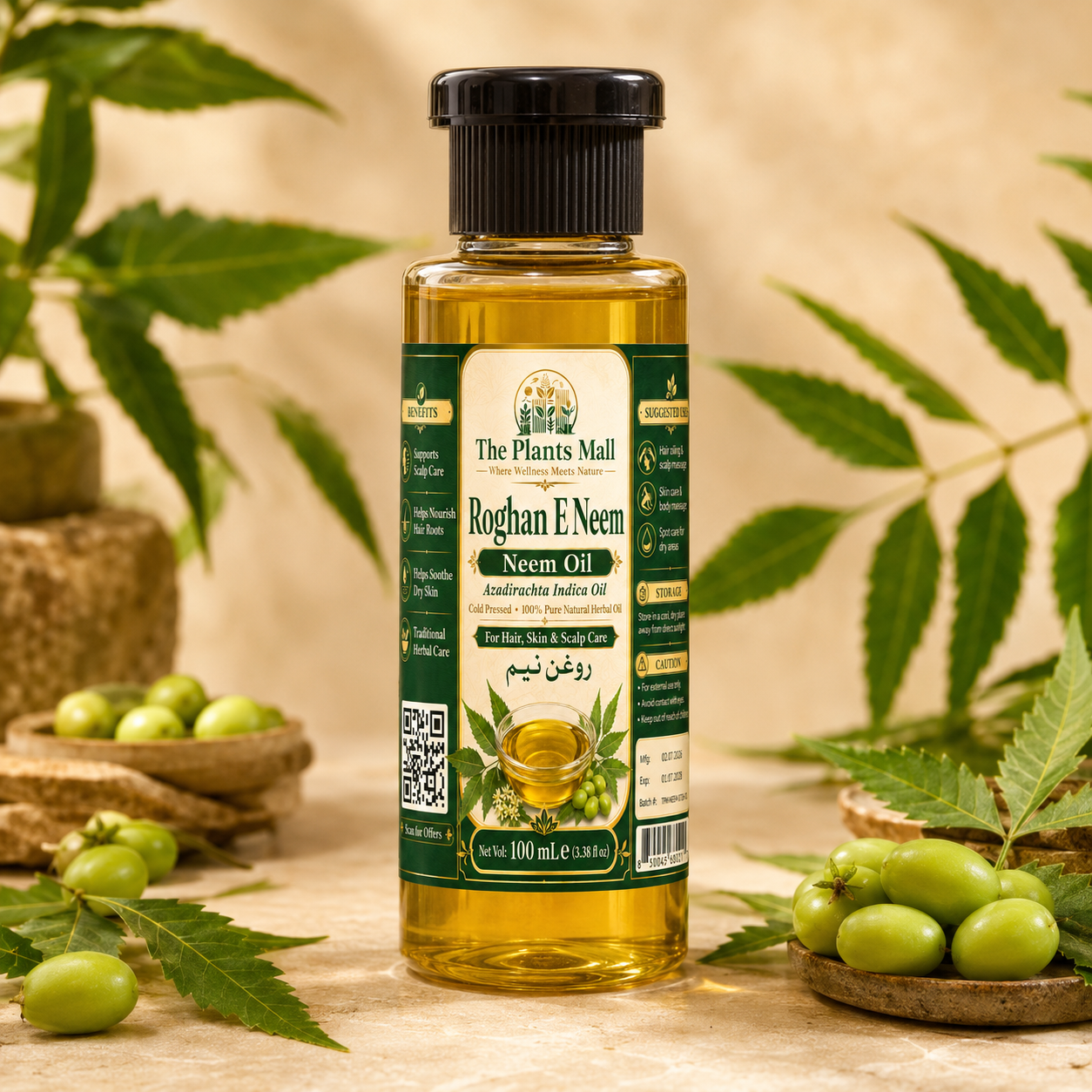
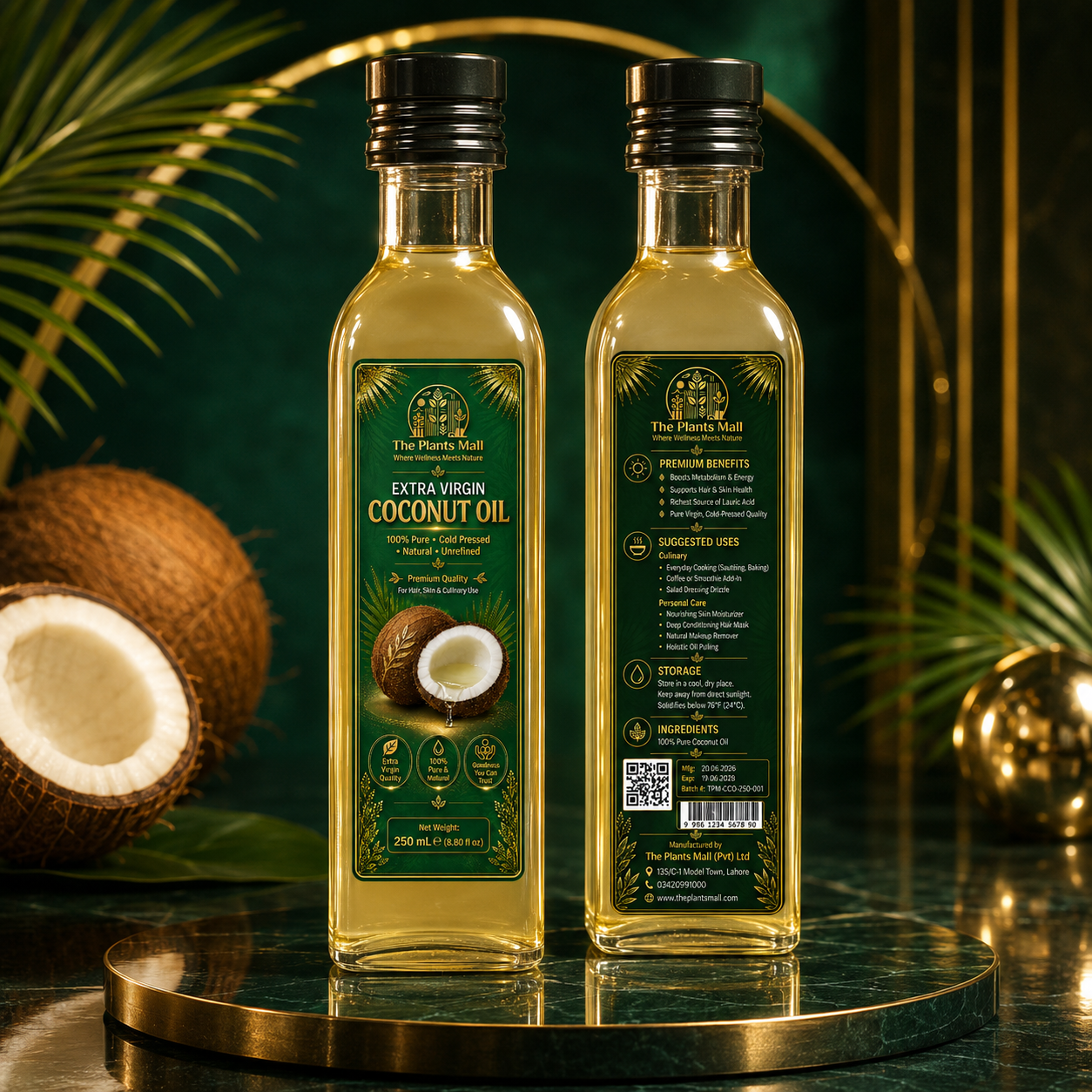
The catalogue includes oils associated with flax, sesame, mustard, poppy, coconut, almond, castor, neem, kalonji and vitamin E. Their product purposes are not identical. Some may be sold as edible cooking oils, some for skin or hair, and some for plant care. Never infer edibility from the plant name or from the words ‘pure,’ ‘natural’ or ‘cold-pressed.’ Read the intended-use statement and full label.
For cooking, match the oil to the method and flavour you want, following the pack’s directions. For external use, patch-test when appropriate, keep away from eyes and broken skin, and stop if irritation occurs. Neem or other plant-care products should be stored separately from food if the label does not identify them as edible.
Air, heat and light shorten freshness
Seeds and especially ground seeds can develop stale or rancid flavours as their oils oxidise. Keep packages tightly closed in a cool, dark, dry place and follow any refrigeration instruction on the label. Pour oils without contaminating the neck of the bottle, recap immediately and avoid buying a volume that will stay open for a long time.
Use smell and taste as freshness signals, but do not rely on them to overrule an expiry date, damaged seal or storage warning. Discard an oil or seed product with a paint-like, bitter or otherwise abnormal odour or flavour.
Compare the right details
For seeds, compare raw or roasted form, shell status, added salt, pack size and intended use. For oils, compare the source plant, edible or external-use designation, bottle size, storage direction and pressing or refining information. For blends, read every ingredient rather than judging the product from the front name alone.
Make a three-seed finishing jar
Combine seeds for texture without pretending the mixture is a treatment plan.
- Choose three edible seeds you already like—such as pumpkin, sunflower and sesame.
- Keep the mixture plain, or toast gently and cool completely before storing.
- Spoon over porridge, yoghurt, salad or cooked vegetables; make small batches to preserve freshness.
Labels decide the route
The source plant does not establish whether an oil or seed product is edible, suitable for skin, or intended for plants.
- Sesame and tree nuts can trigger serious allergic reactions; check ingredients and cross-contact statements.
- Do not eat raw or unripe flaxseed. Large amounts of flax may cause digestive discomfort, and flax products may not suit everyone.
- Pregnancy, medicines, allergy and chronic conditions can change what is appropriate—seek individual professional advice.
Evidence behind this guide
These references support the general food, nutrition and safety context. They do not endorse individual products.