The form changes the experience
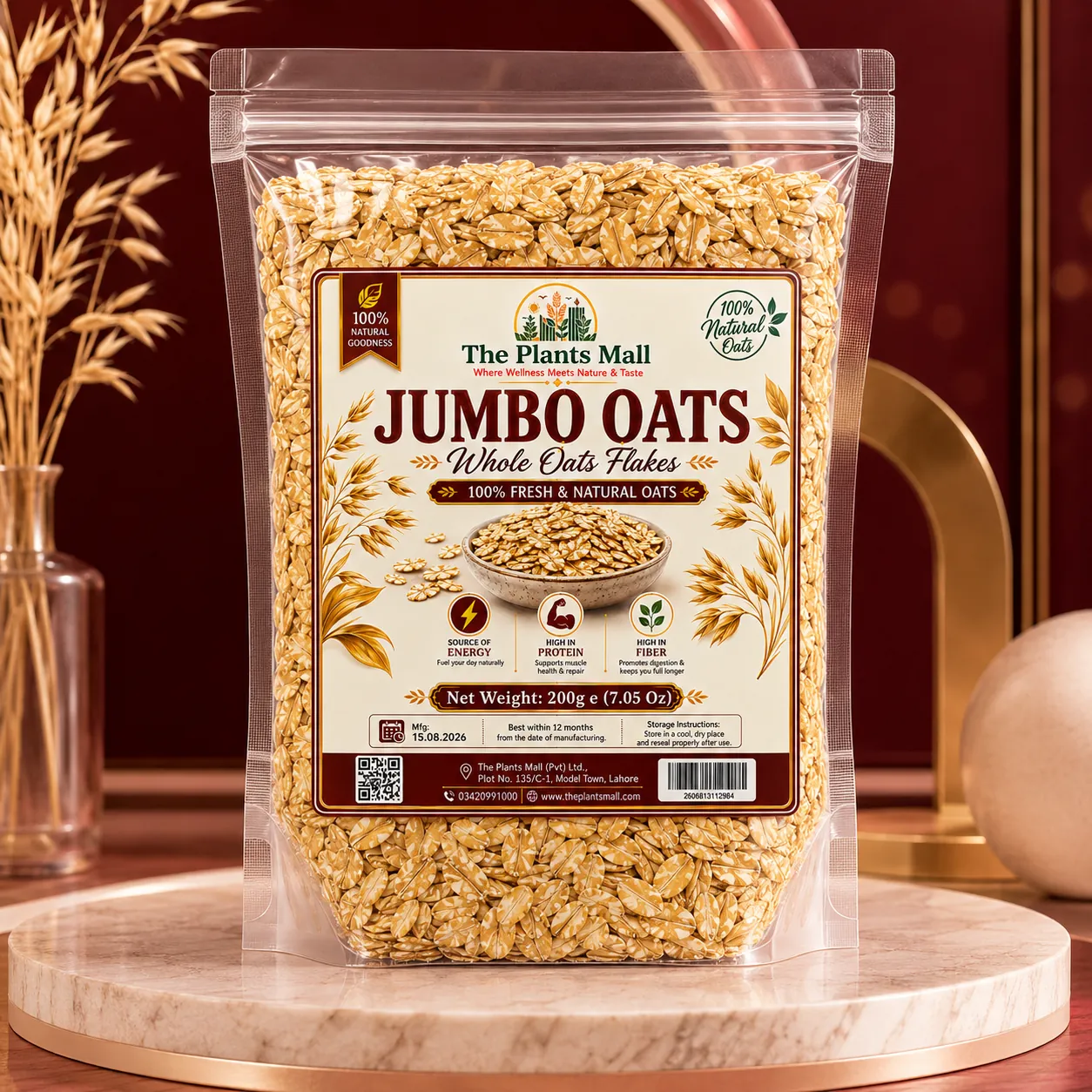
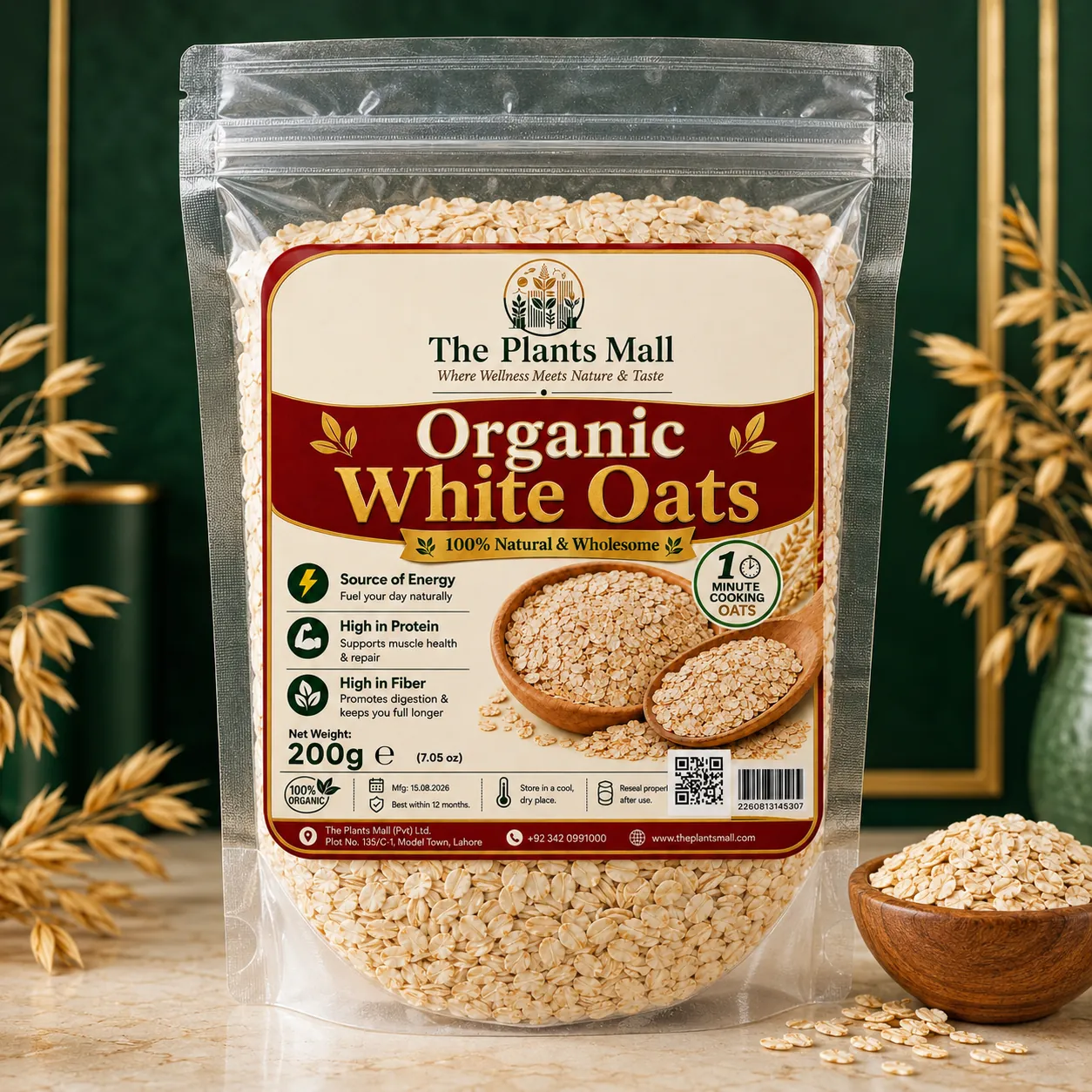
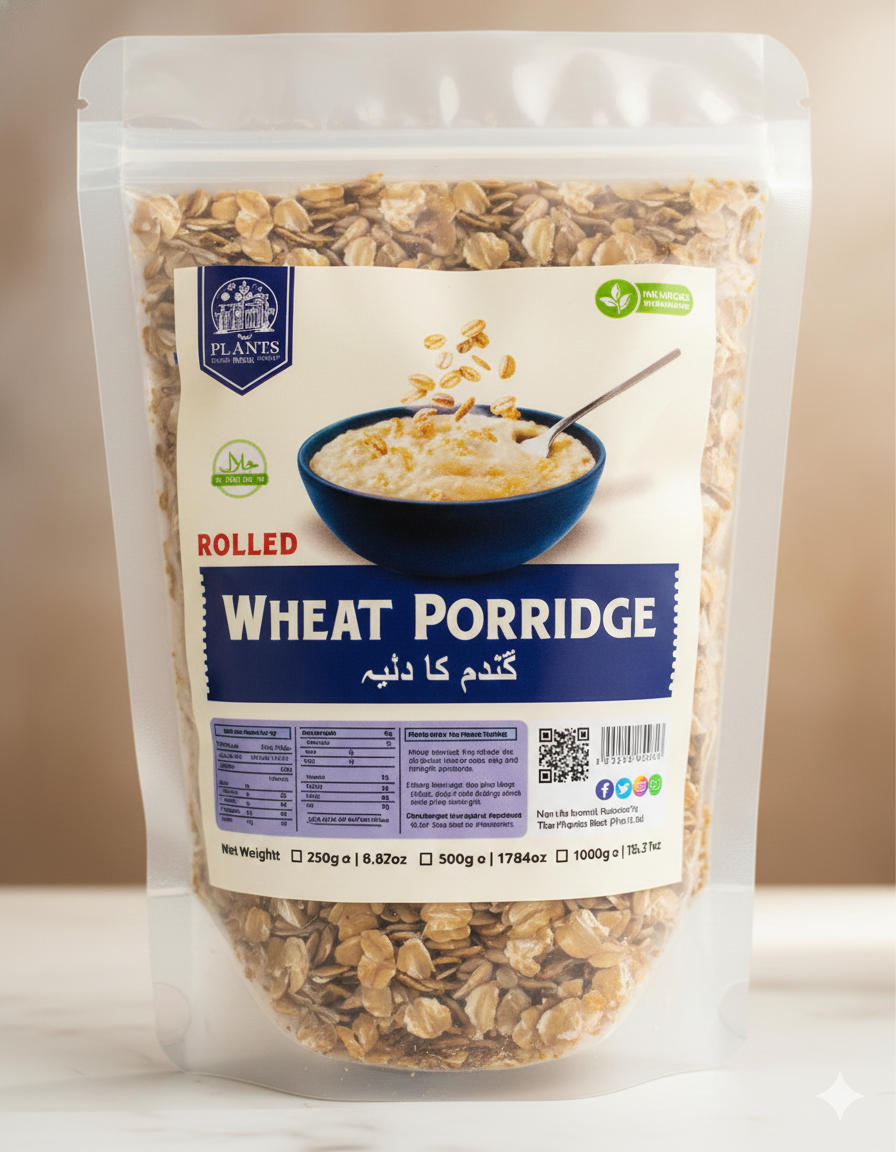
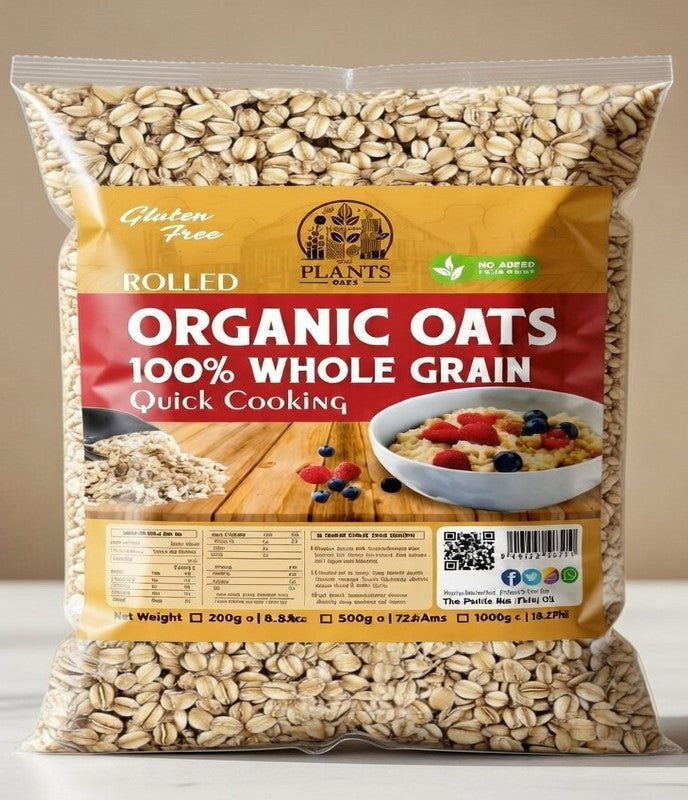
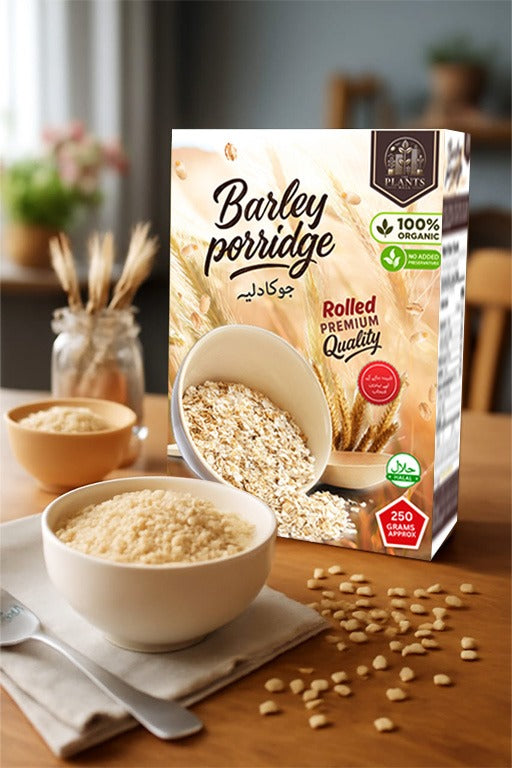
A grain name is only the beginning. Quick oats are rolled thinner or cut smaller so water reaches them faster. Jumbo flakes keep more structure. Crushed wheat and barley cook into a spoonable daliya, while flour is milled for roti, batter, baking or thickening. None of these formats is automatically the ‘best’ one; the useful choice is the one that matches your recipe and time.
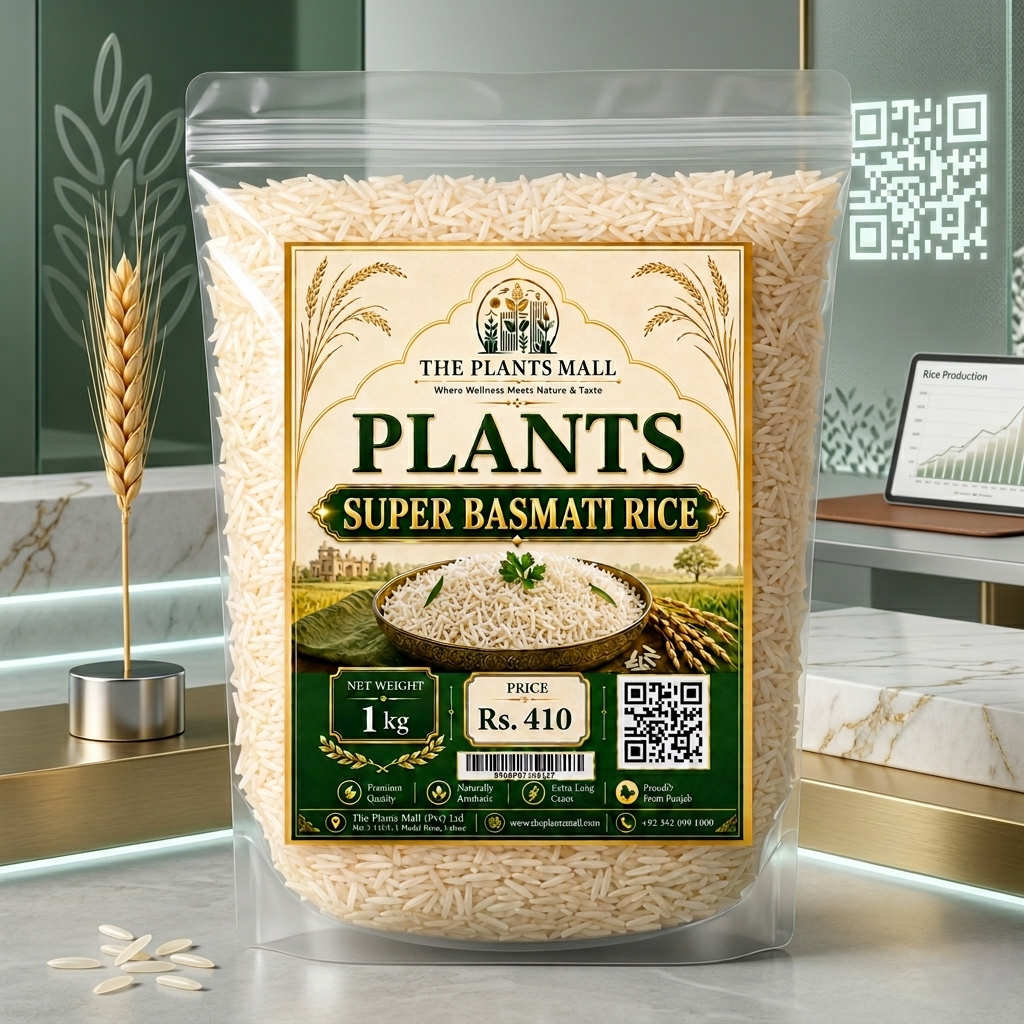
The current Plants Mall shelf includes several forms of oats, barley and wheat, plus millet, corn flour, rice flour, besan, singhara powder and basmati rice. Use the product label—not the marketing headline—to confirm the exact grain, ingredients and preparation instructions.
- Quick or one-minute oats: soft texture and short cooking time.
- Jumbo or rolled flakes: more chew; useful for porridge, granola and baking.
- Crushed grain or daliya: a hearty base for sweet or savory bowls.
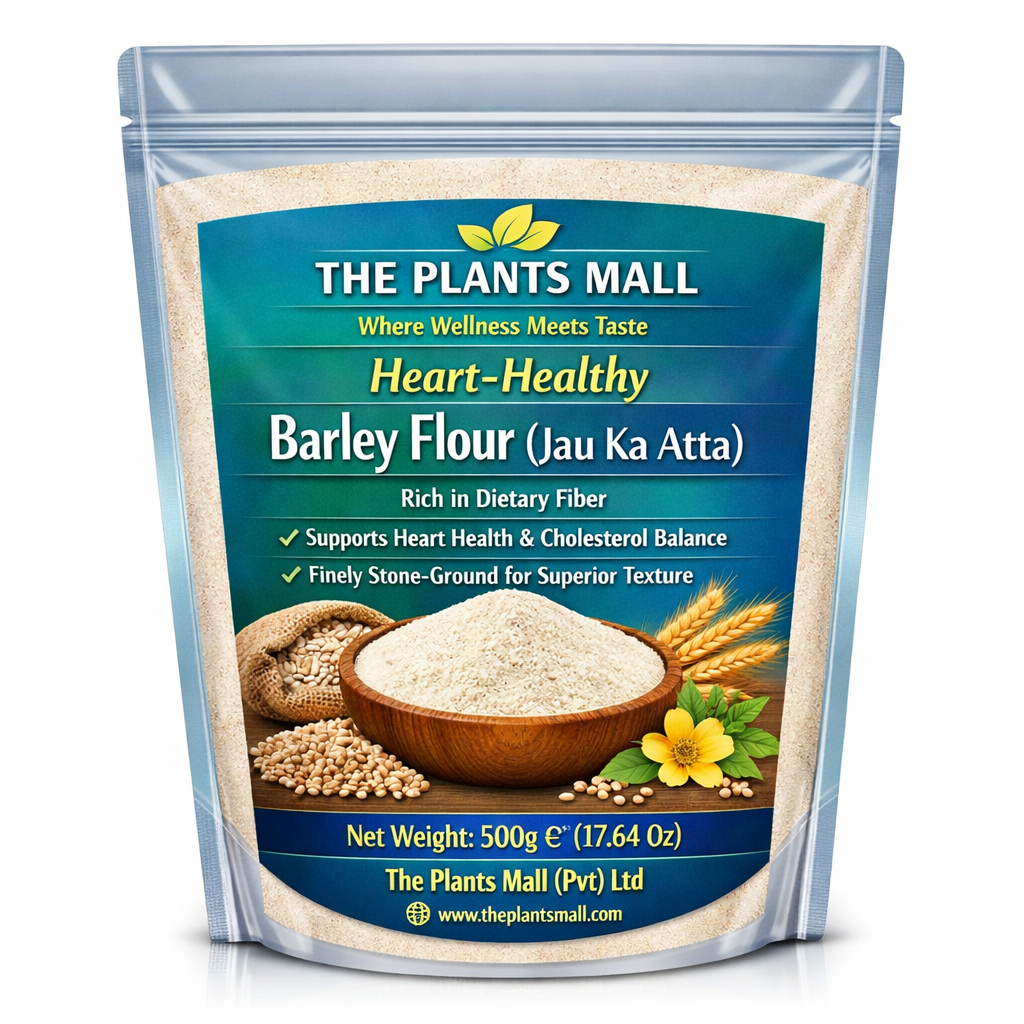
- Flour: a different cooking job; compare the source grain and milling style.
Build the bowl, not the health claim
A useful breakfast is assembled, not discovered in one miracle ingredient. Start with a grain, add a source of protein or fat that suits you, bring in fruit or vegetables, then use spices, seeds or a small amount of sweetener for flavour. This makes the catalogue easier to shop and the meal easier to repeat.
Naturally occurring fibre is found in foods including whole grains, cereal bran, flaked cereal and flours. The amount varies by product and processing, so compare the nutrition and ingredient information on the pack when fibre is an important reason for your choice.
Two routes from the same pantry
For a sweet route, cook oats or crushed grain and finish with fruit, seeds and a measured spoon of honey or shakkar. For a savory route, cook daliya with water or stock, then add cumin, black pepper, coriander, vegetables and a little cooking fat. The grain stays familiar while the flavour direction changes completely.
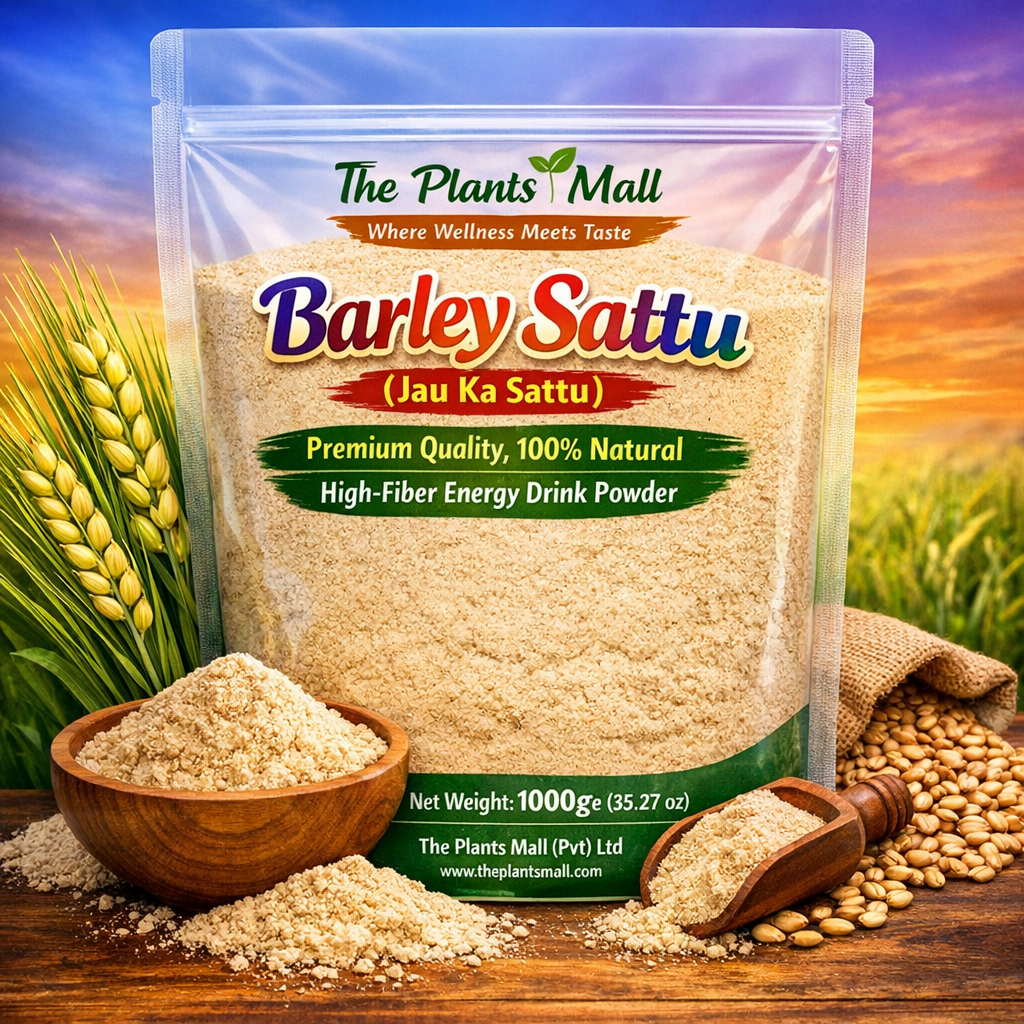
Sattu, besan, rice flour, corn flour and singhara powder do not behave like rolled oats. Treat them as separate pantry tools and follow a recipe written for that ingredient rather than making a one-for-one substitution.
Gluten and label reading
Wheat and barley contain gluten. Oats do not naturally contain the same gluten proteins, but cross-contact can occur during growing and processing. If you need a gluten-free diet, only choose a product that is specifically labelled for that requirement and check the full pack information. Rice, corn, millet, besan and water-chestnut ingredients may be naturally gluten-free, but the final packaged product and facility controls still matter.
Keep grains dry, cool and easy to rotate
Move opened grains and flours into clean, tightly closed containers and keep them away from heat, moisture and direct sun. Write the opening date on the container, use older packs first, and discard anything with insects, visible mould, damp clumps or an unusual smell. Buy the pack size your household can finish while it still tastes fresh.
One base, two breakfasts
Cook a plain batch of rolled oats or daliya. Keep the base neutral, then take it in either direction at serving time.
- Sweet: add fruit, cinnamon and a small spoon of honey; finish with chia, flax or pumpkin seeds.
- Savory: add cumin, coriander, black pepper and cooked vegetables; finish with fresh or dried herbs.
- Keep toppings separate when batch-cooking so texture and flavour stay fresh.
Food guidance, not treatment advice
This guide explains ingredients and kitchen use. It does not diagnose or treat digestive, metabolic or other health conditions.
- Check the pack for ingredients, allergens, preparation and storage directions.
- Increase high-fibre foods gradually if that suits you, and drink adequate fluids.
- For coeliac disease, allergy, pregnancy, medicines or a prescribed diet, use guidance from your clinician or dietitian.
Evidence behind this guide
These references support the general food, nutrition and safety context. They do not endorse individual products.