 Current offer
FIELD GUIDE 04 · Botanicals & traditional ingredients
Plant powders and traditional ingredients: an evidence-aware guide
Amla, moringa, beetroot, white musli, mulethi, gond katira, ispaghol and vinegar each need their own identity—not one blanket ‘natural remedy’ story.
IdentifyPlant, part and preparation
DistinguishFood use versus supplement-style use
VerifyIngredients, directions and warnings
EscalateAsk a clinician about conditions or medicines
LIVE FROM THE CURRENT CATALOGUE
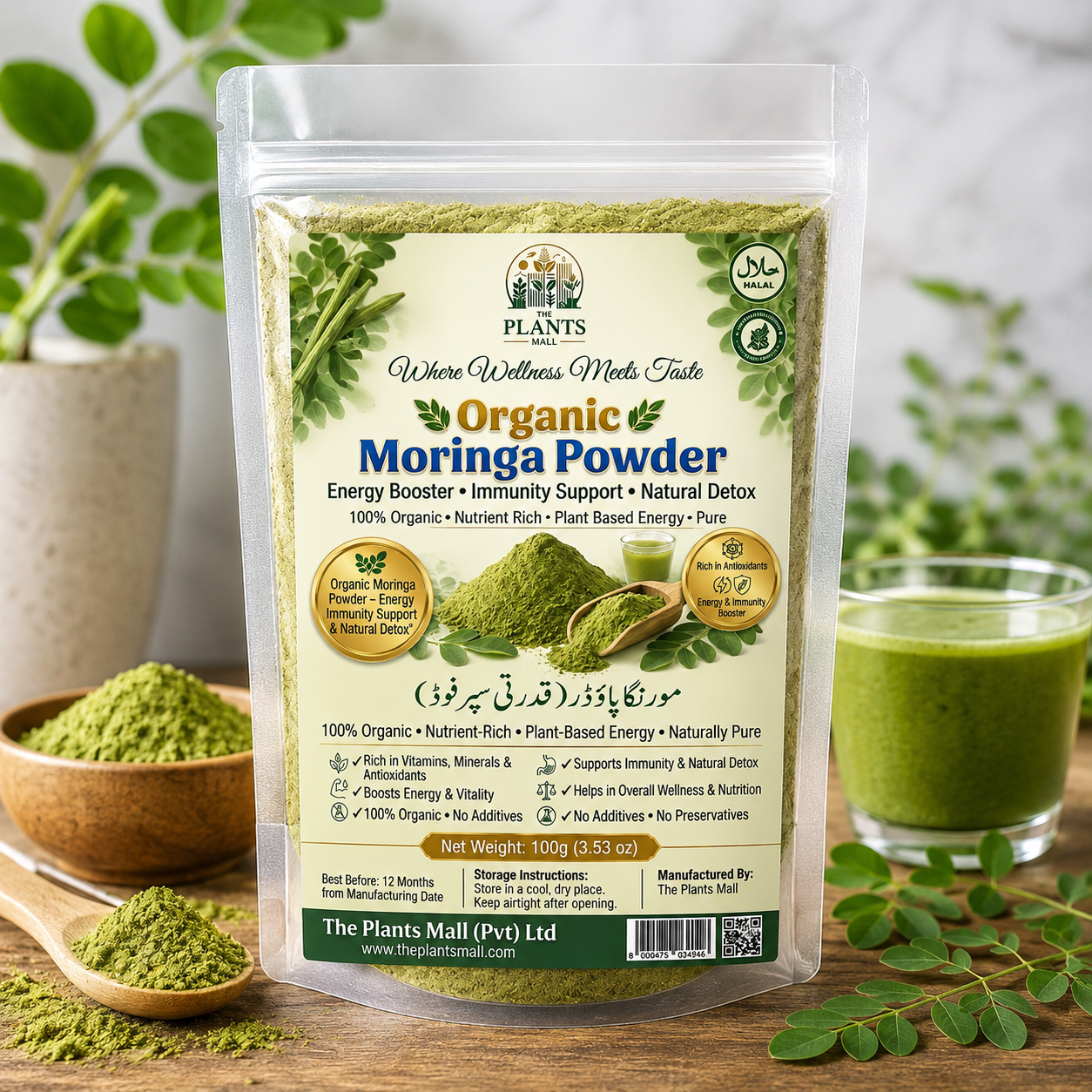
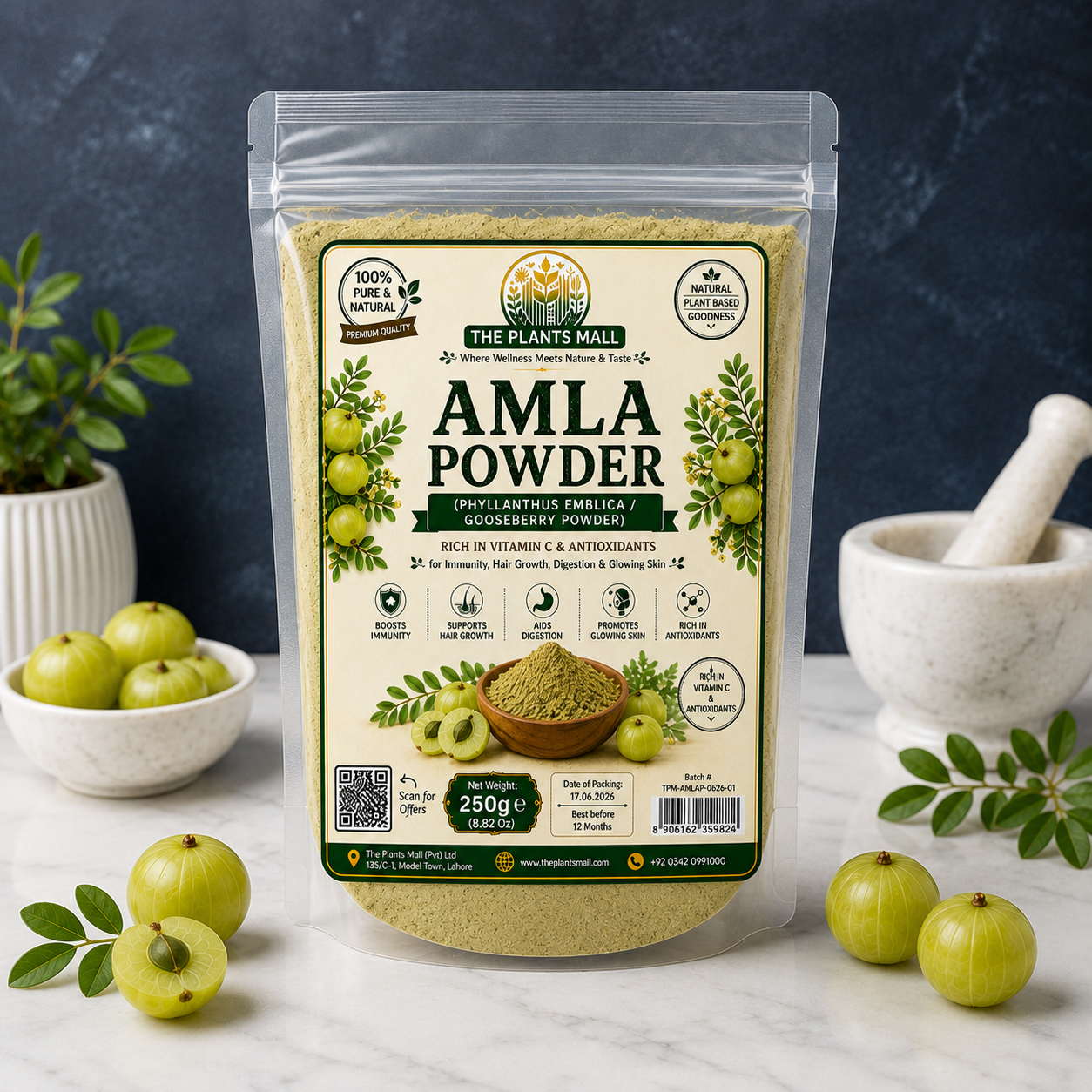
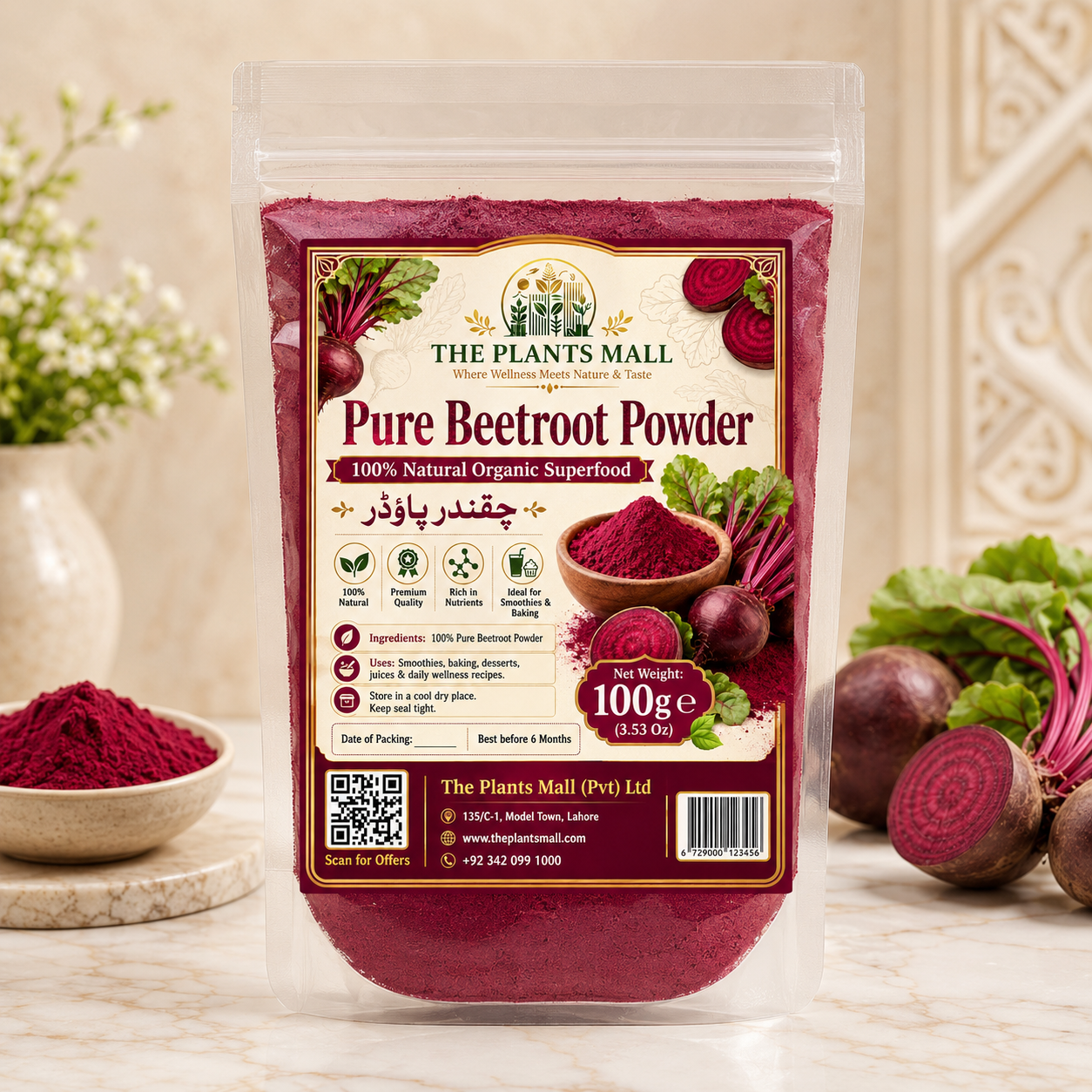
9 connected products
A concise live selection for this guide; open the index for the additional catalogue matches.
More connected products5 additional matches
These ingredients are not one category in the body
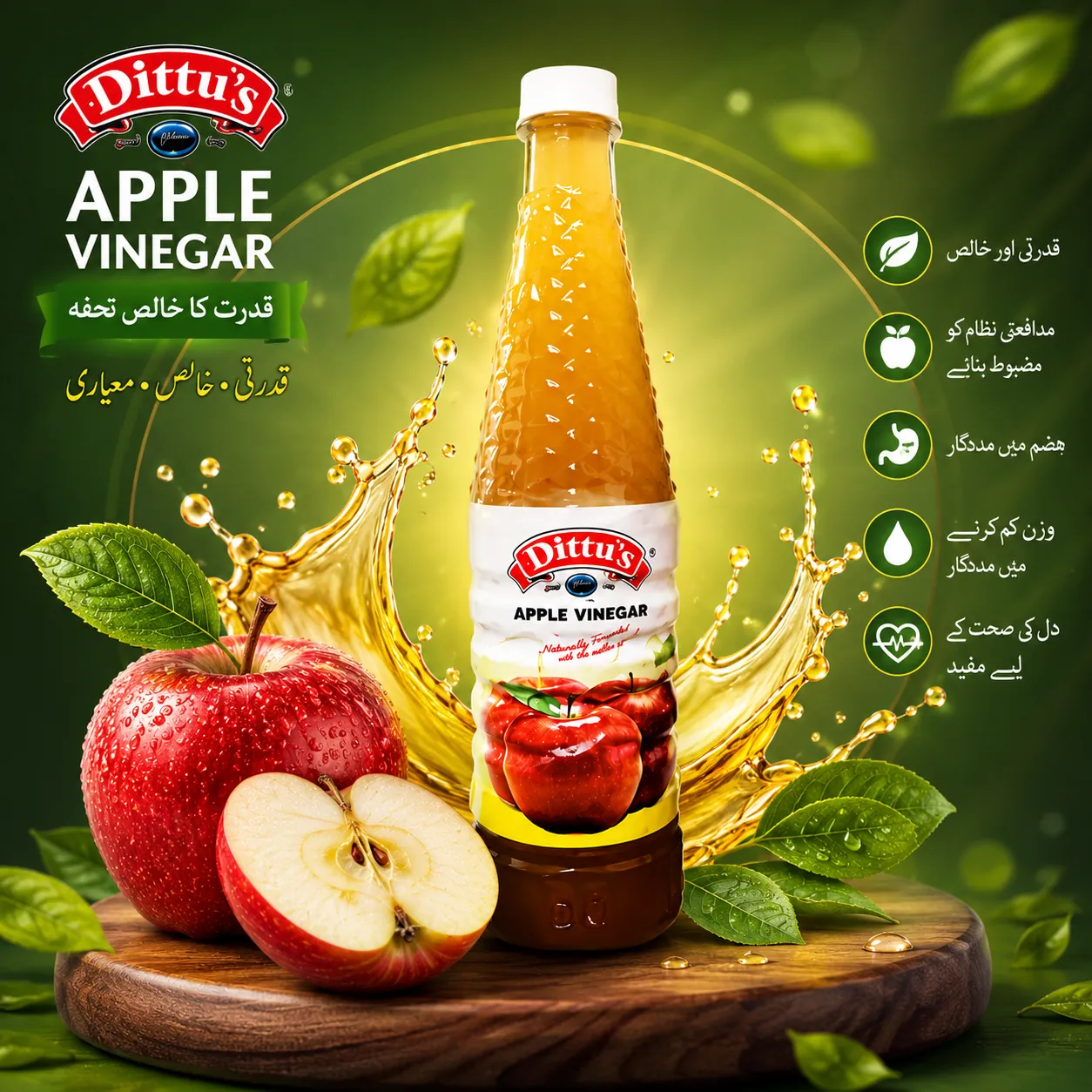
The phrase ‘plant powder’ describes a physical form, not a shared effect. Amla is a fruit powder. Moringa powder commonly comes from leaves. Beetroot powder comes from a root. White musli uses a different plant part and has a distinct traditional context. Mulethi is licorice root. Gond katira is a plant gum. Ispaghol is psyllium husk. Apple cider vinegar is a fermented liquid, not a powder at all.
Before asking what an ingredient ‘does,’ establish exactly what it is. Common names can overlap or vary by region, and products from the same plant can differ by part, processing and concentration.
Ask five questions before buying
A useful knowledge page should slow down certainty without stopping discovery. Use this five-question check: What is the exact ingredient? Which plant part is used? Is it sold as food, cosmetic or supplement? What amount and preparation does the label specify? Are there warnings for medicines, pregnancy, children, allergy or a health condition?
If a product headline promises weight loss, immunity, detoxification, hormone support or treatment of a symptom, treat that as a claim to verify—not as a fact established by the plant’s traditional reputation.
- Identity: common name, botanical name when available, and plant part.
- Form: whole, powder, gum, husk, liquid, extract or blend.
- Purpose: culinary, topical, plant care or supplement-style use.
- Evidence: human research for this specific form and outcome—not a related ingredient.
- Safety: dose, duration, interactions and who should avoid it.
A shelf-level orientation
Amla, moringa and beetroot powders can be approached first as strongly flavoured food ingredients: start with the pack’s culinary direction and see whether the taste fits a yoghurt, drink, chutney or recipe. Gond katira changes texture after soaking and should be prepared according to reliable instructions. Psyllium husk absorbs water and must be taken with adequate fluid exactly as directed. Licorice root has meaningful safety concerns at repeated or high exposure. White musli has traditional uses, but tradition alone is not proof of a claimed health outcome.
The responsible product connection is therefore different for each item. Some lead naturally to recipes; others need a preparation guide and prominent safety note; a few should prompt a conversation with a qualified health professional before regular use.
Use an evidence ladder
Plants Mall should label information by what kind of knowledge it represents: established culinary use, documented traditional use, early scientific research, stronger human evidence, or insufficient evidence. These labels can coexist. A cultural practice does not need to be erased, and a scientific uncertainty does not need to be filled with marketing language.
Evidence about a concentrated extract cannot automatically be applied to a kitchen powder. Research on one species or processing method may not fit another. When the product identity is unclear, the honest answer is to verify it before recommending a routine.
Natural does not mean risk-free
Botanicals can cause side effects, trigger allergies and interact with prescription or over-the-counter medicines. Many have not been adequately studied in children, pregnancy or breastfeeding. This is especially important when a food ingredient is consumed repeatedly in supplement-like amounts.
Create an ingredient identity card
Before adding a traditional ingredient to a daily routine, record what the pack actually tells you.
- Write the exact name, plant part, ingredients and intended use.
- Copy the preparation, amount, storage and warning information from the label.
- If a health claim matters to the purchase, check a reliable evidence source and ask a clinician when medicines or conditions are involved.
Extra caution for licorice and psyllium
Licorice can cause serious adverse effects in some people, particularly with large or prolonged intake. Psyllium can affect how some medicines are taken and must be used with sufficient liquid.
- People with hypertension, heart or kidney conditions should be particularly cautious with glycyrrhizin-containing licorice.
- Follow the ispaghol/psyllium label for fluid and timing; ask a pharmacist about separation from medicines.
- Stop and seek medical help for a serious reaction. Do not use these products to delay care for persistent symptoms.
Evidence behind this guide
These references support the general food, nutrition and safety context. They do not endorse individual products.
01Using Dietary Supplements WiselyNational Center for Complementary and Integrative Health02Licorice Root: Usefulness and SafetyNational Center for Complementary and Integrative Health03Psyllium: Drug InformationMedlinePlus, U.S. National Library of Medicine04How Herbs Can Interact With MedicinesNational Center for Complementary and Integrative Health